Comboni Youth
Menu
  • Home
  • About Us
  • Contact
  • Our History
  • Where We Are
  • Video Gallery
  • PodCast
  • Privacy

Latest News

  • Towards World Youth Day: The Cross of Peace
  • In the Spirit of St. Francis
  • Special/ World Mission Day. The Good News is not an abstract ideal
  • Go and make disciples of all nations
  • 31 October

Focus On


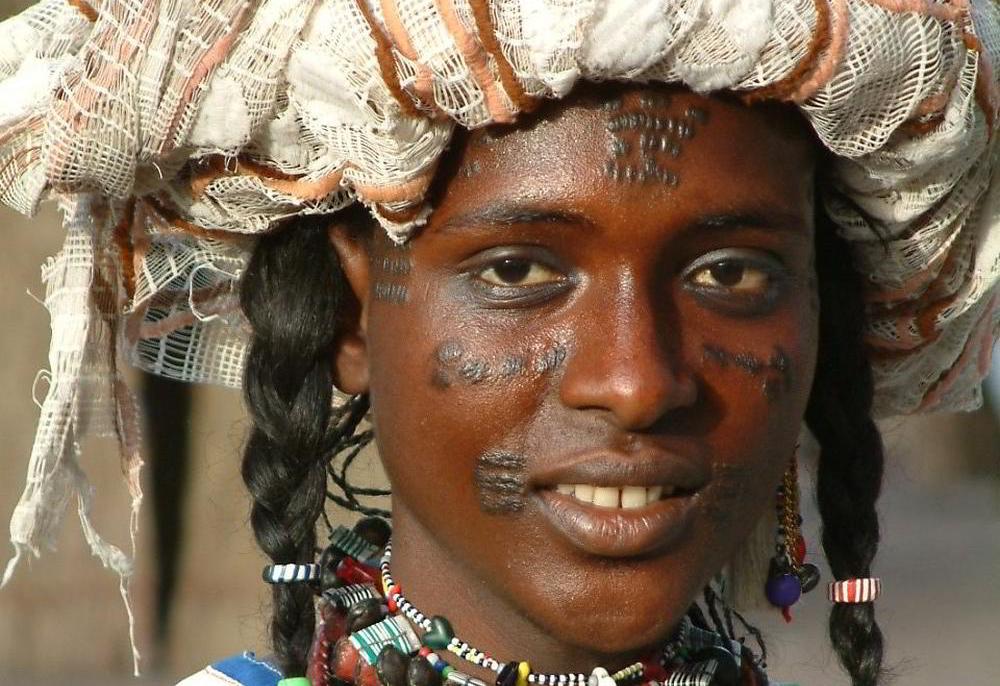
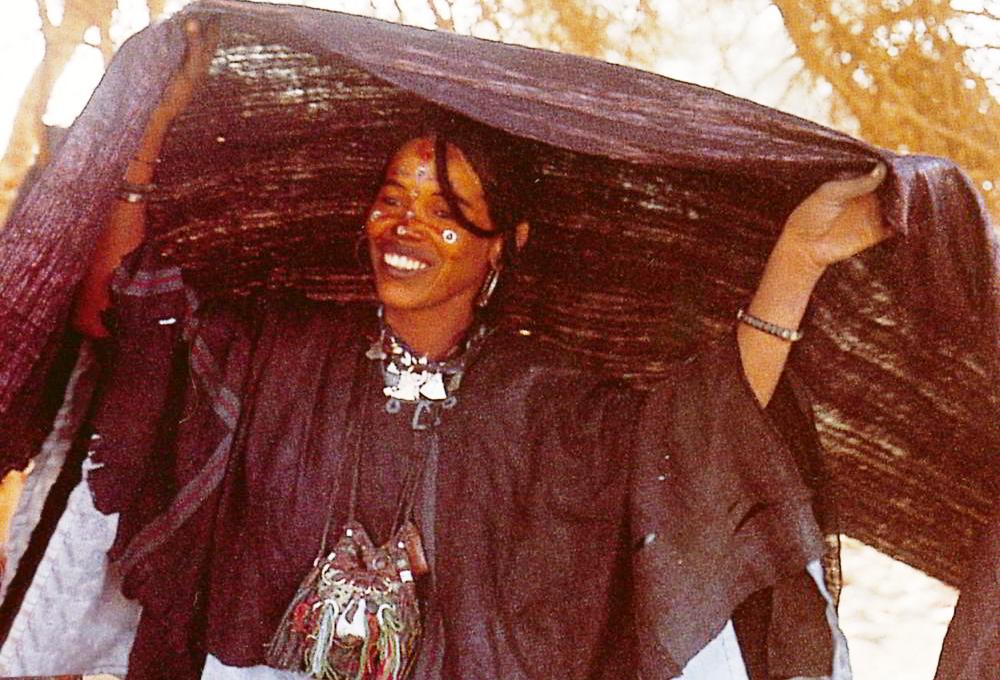
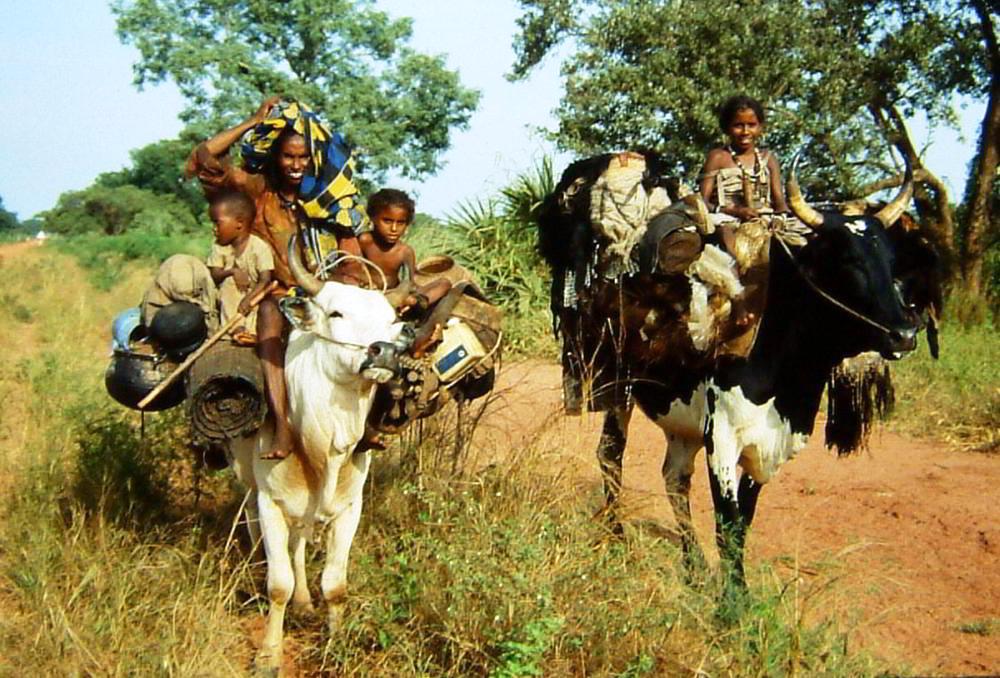
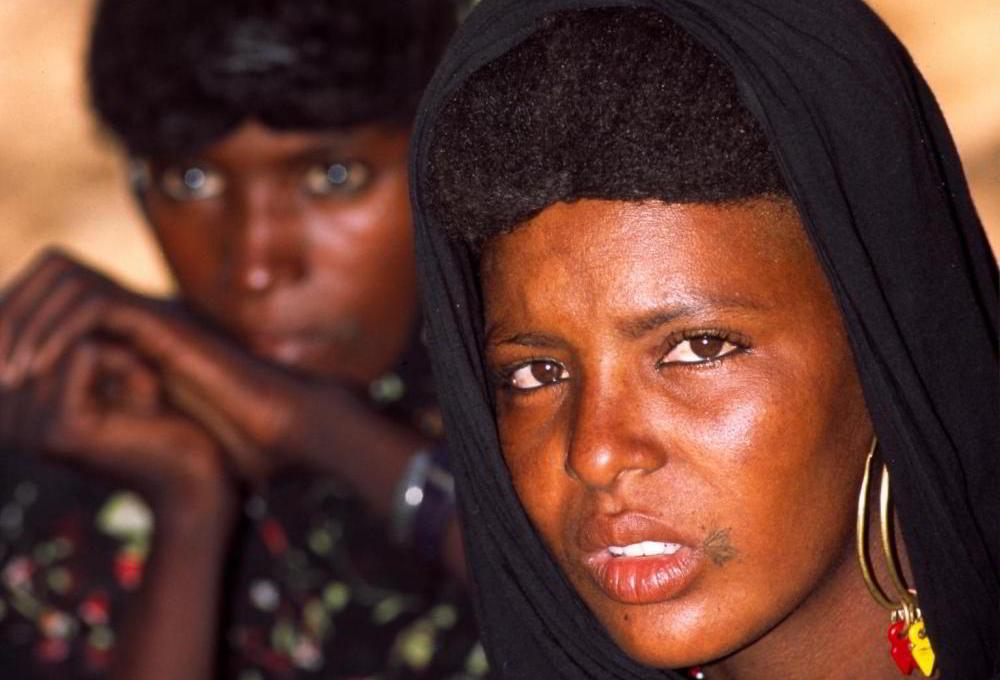
The Mbororo, a Way of Life

October 3, 2026October 3, 2026
[Show slideshow]
he Mbororo are a subgroup of the Fulani, one of the largest ethnic groups in the Sahel and West Africa.  File swm
The region has about 1 million Mbororo people. File swm
The Mbororo people live along the borders of Nigeria, Chad, and the Central African Republic. File swm
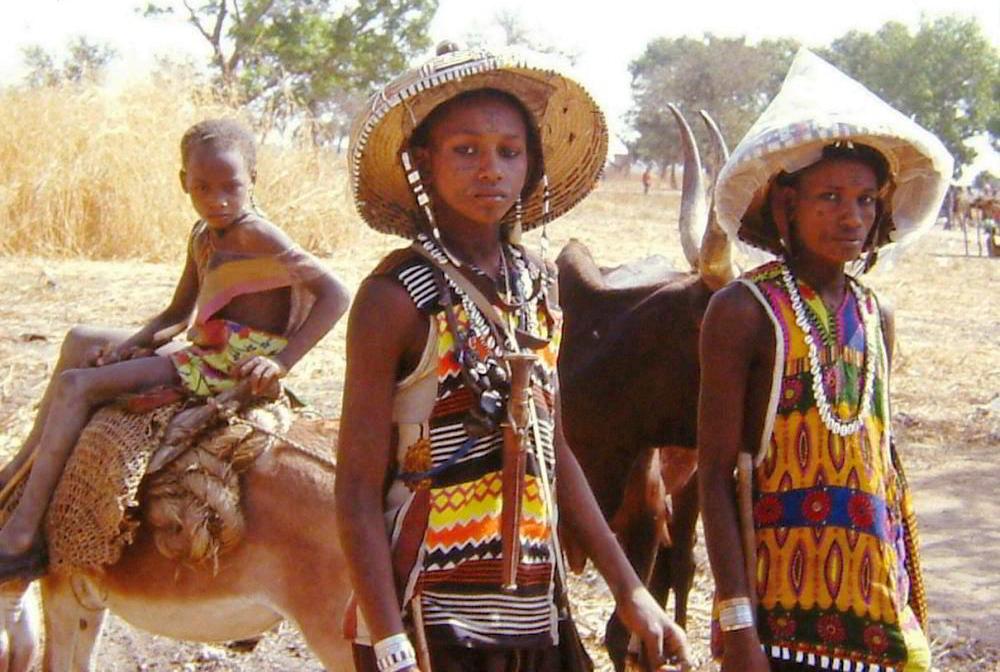
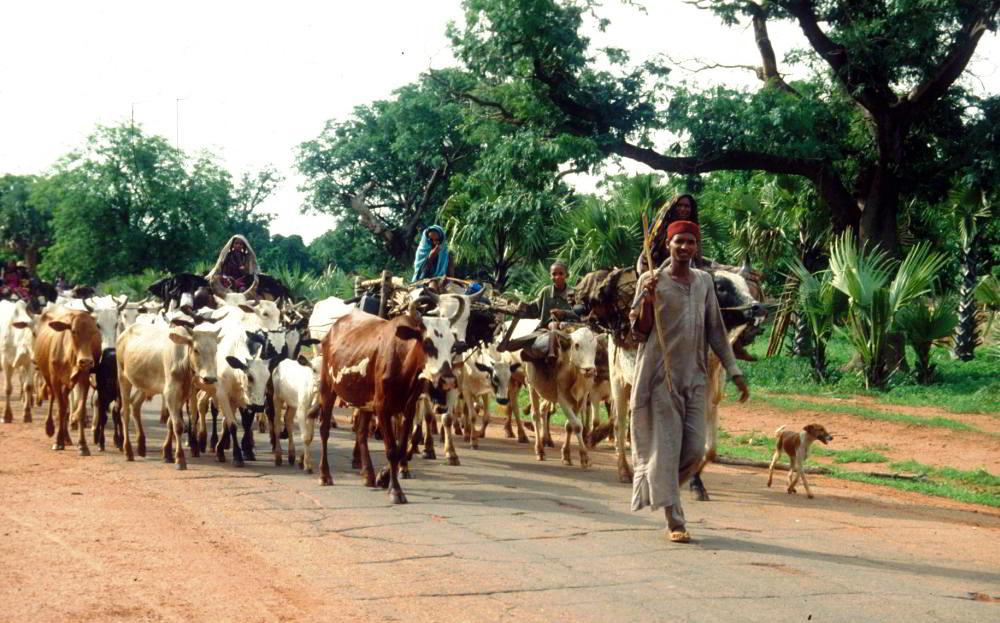
The Mbororo people have maintained their traditional way of life as pastoralists, herding cattle across vast grasslands. File swm
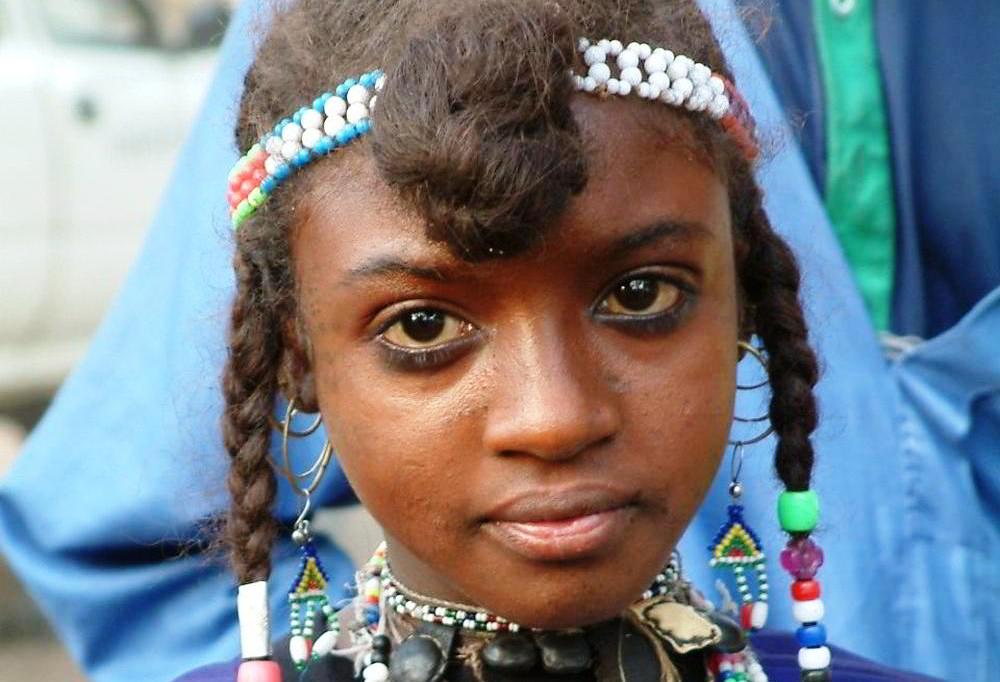
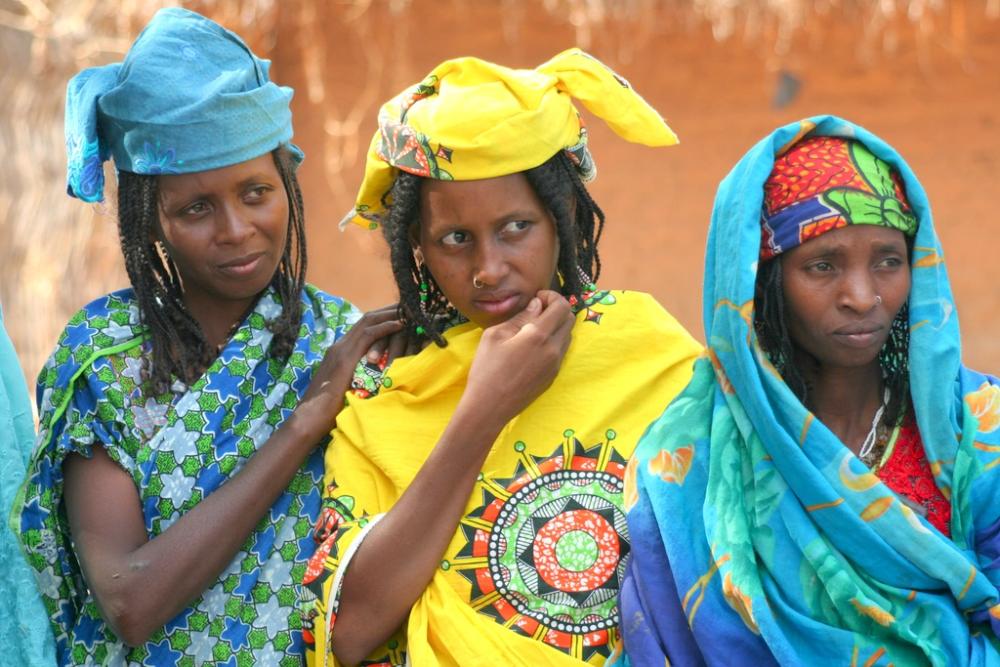
Tattooed Mbororo woman. File swm
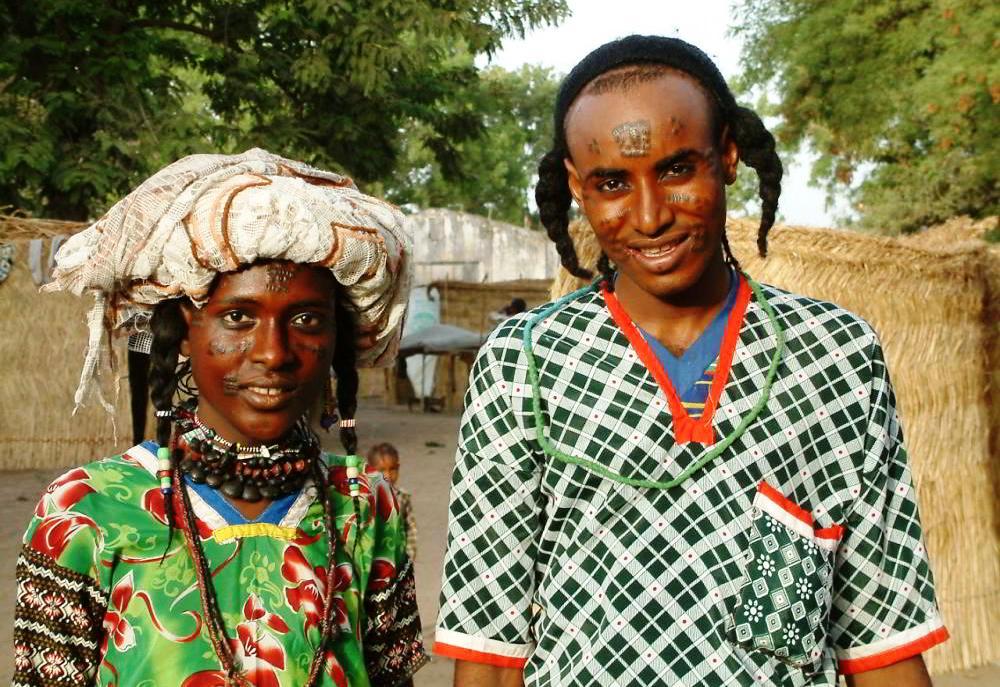
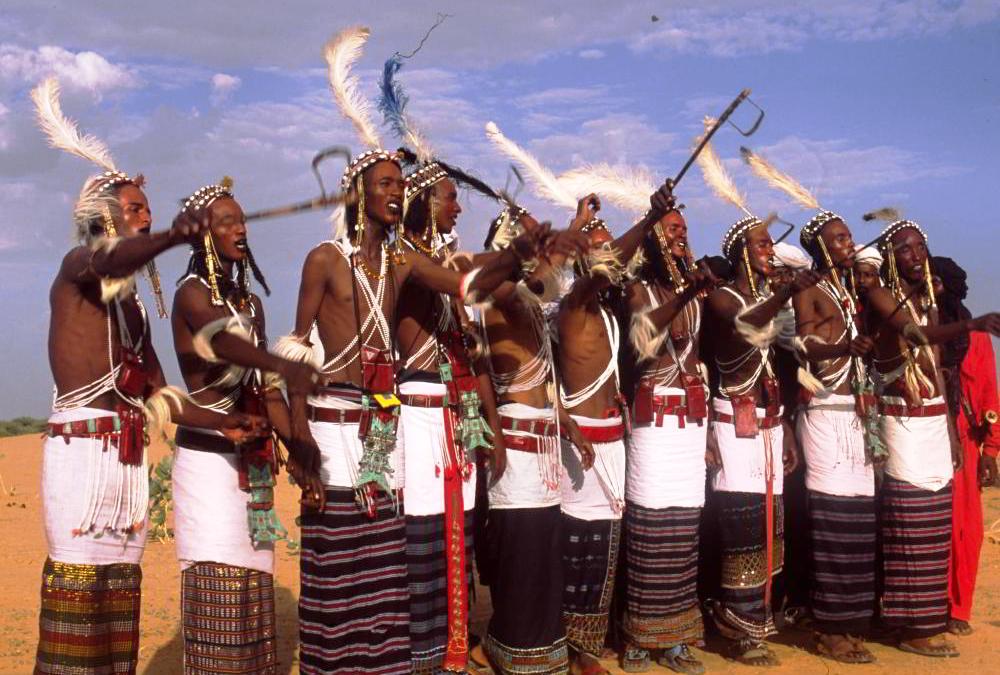
Their renowned Gerewol Festival is a courtship ritual where men compete in beauty contests. File swm
The Mbororo are known for their rich cultural traditions, including their unique attire, rituals and values. File swm
The Mbororo move frequently in search of pasture and water for their cattle. File swm
The Mororo are known for their physical beauty and charm. File swm

Continue reading...
Photo Gallery
2026. International Year of Rangelands and Pastoralists.

September 3, 2026September 3, 2026
[Show slideshow]
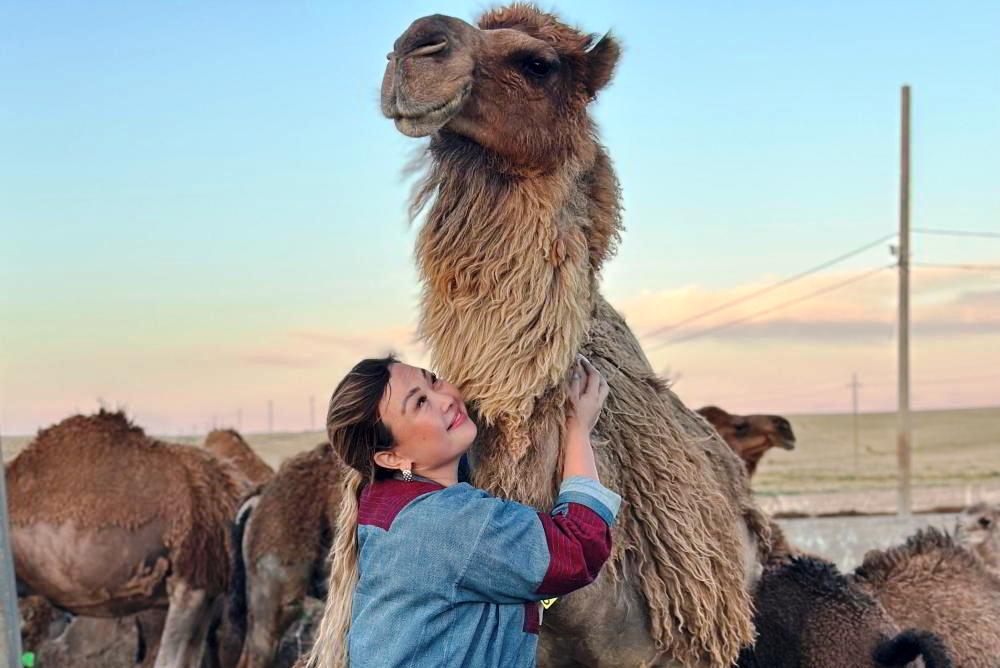
Kazakhstan. A woman holding onto a camel. FAO
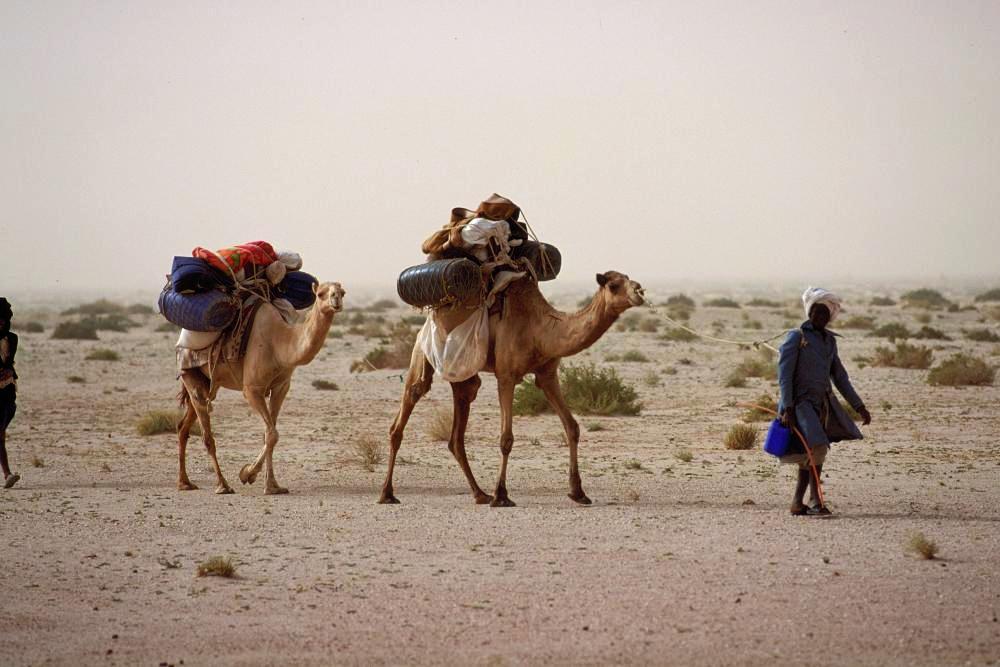
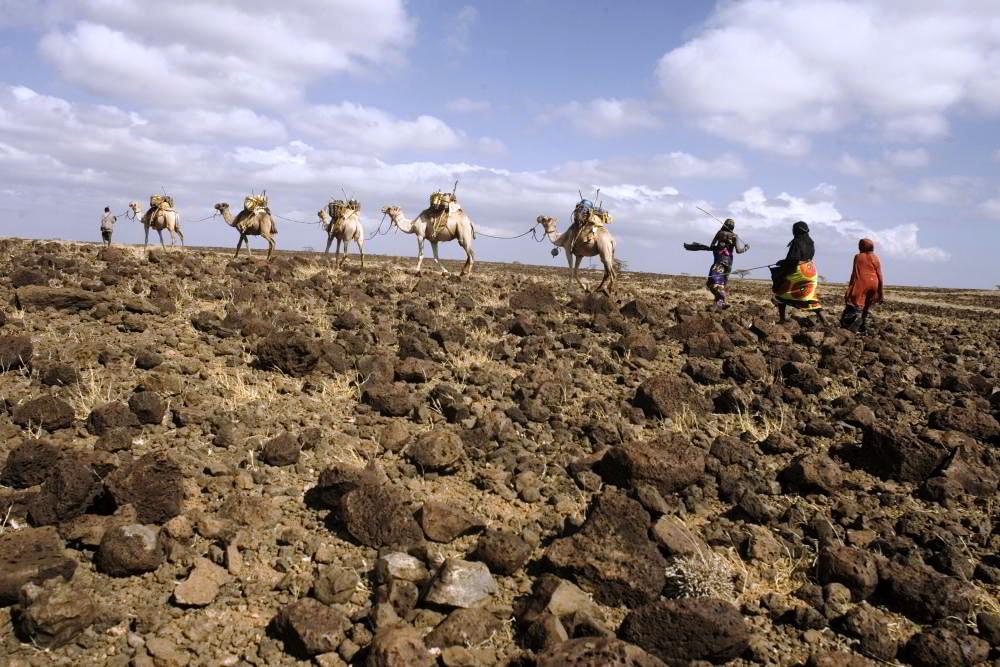
Kenya. Pastoralist women and a caravan of camels walking to the local well to collect water. FAO
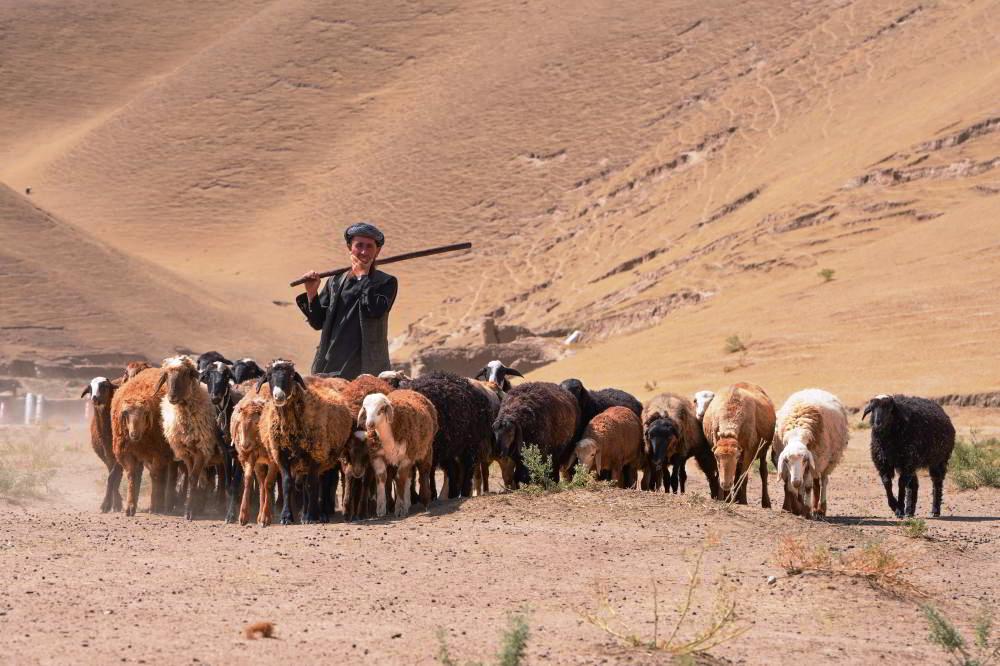
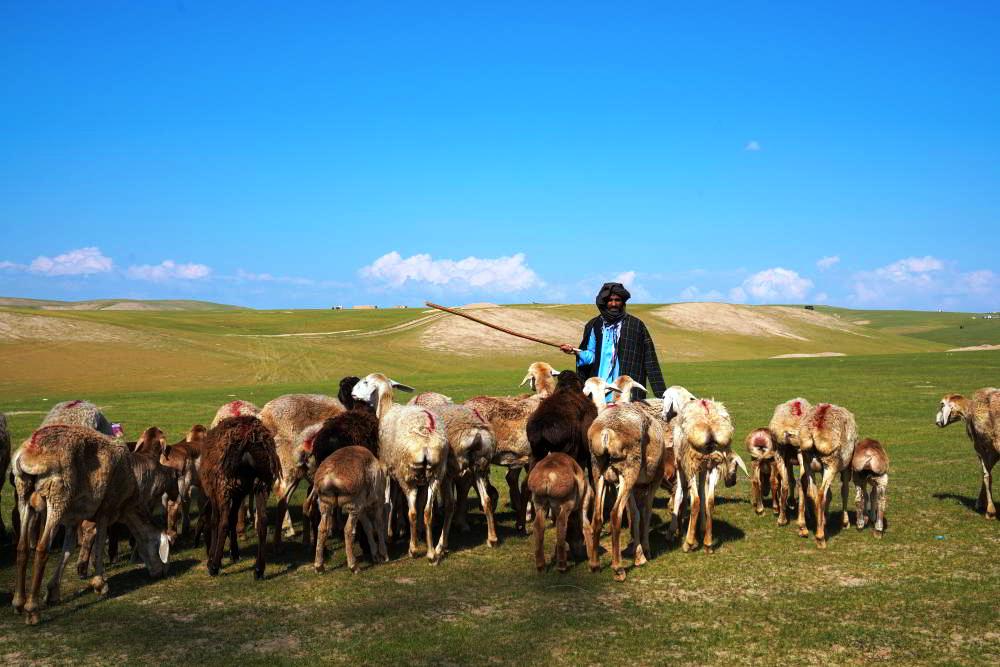
Afghanistan. Kunduz province. A shepherd with his flock of sheep. FAO
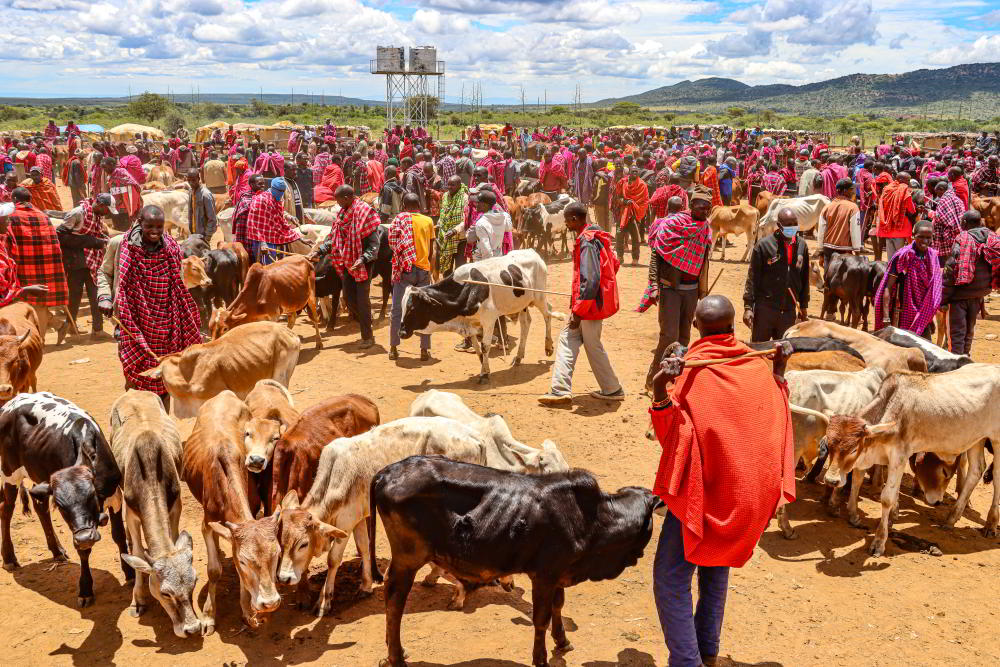
Kenya. Cattle at the livestock market. FAO
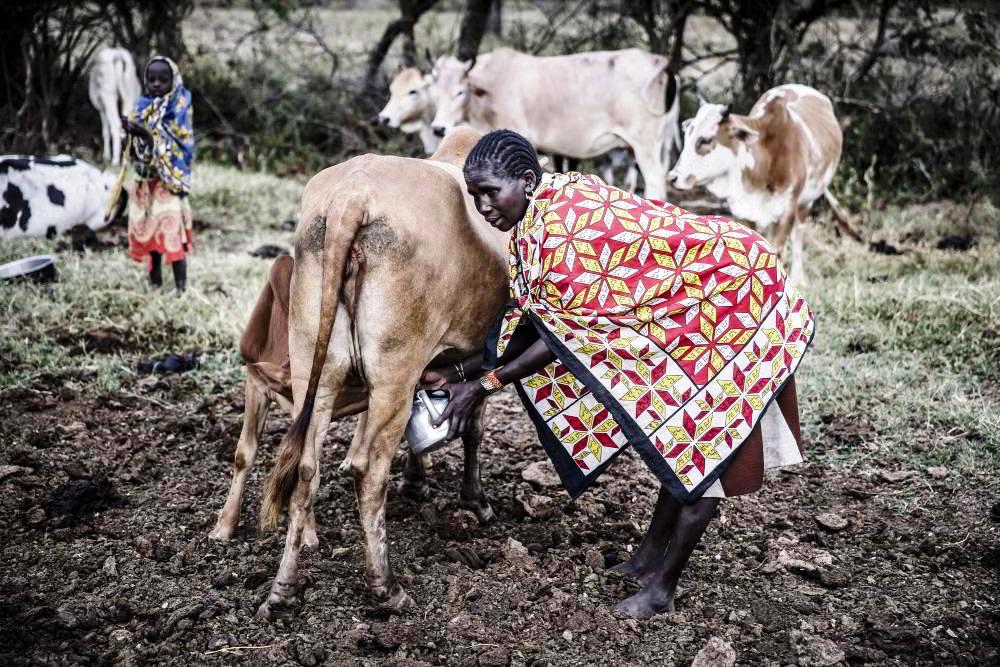
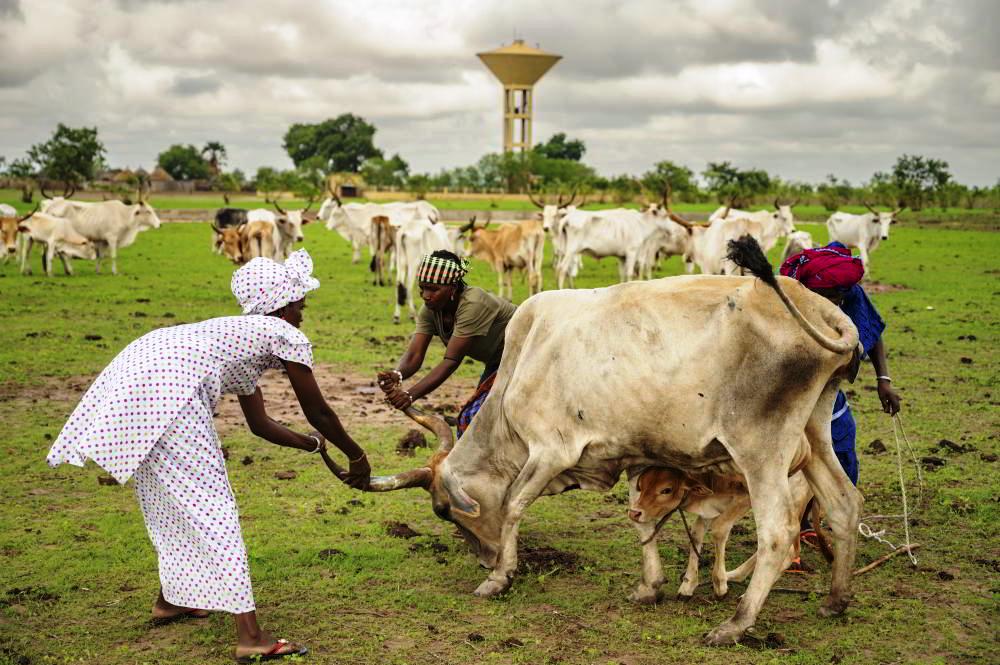
Senegal. Shepherdesses try to control a nervous cow in order to milk it. FAO
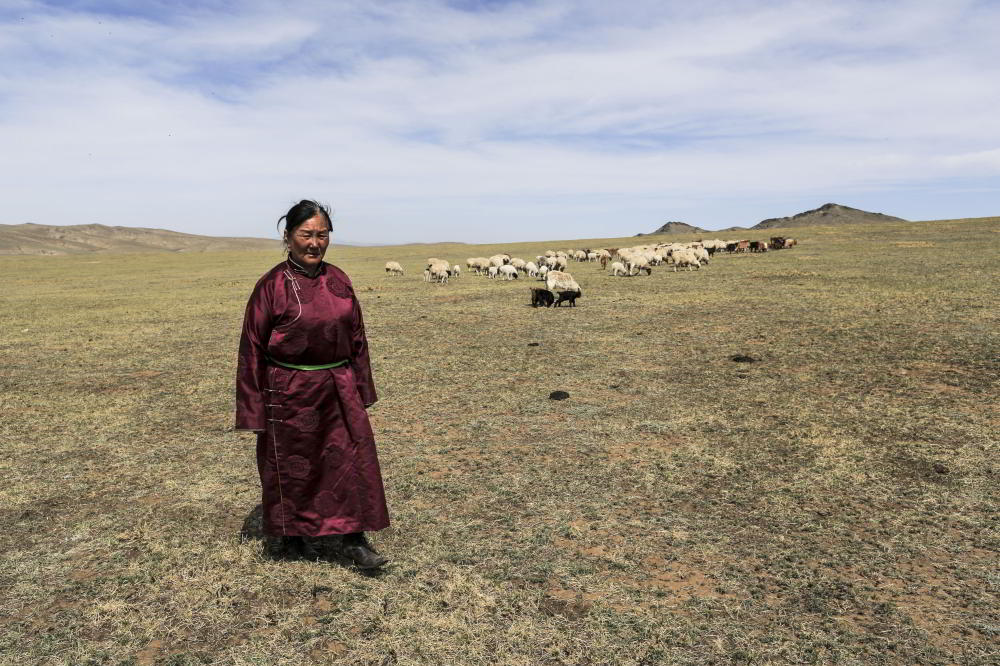
Livestock herding is challenging due to Mongolia's climate: hot, dry summers and bitterly cold winters. FAO
Afghanistan. Faryab province. Livestock keeper, leading his herd in search of water.  Hashim Azizi/FAO
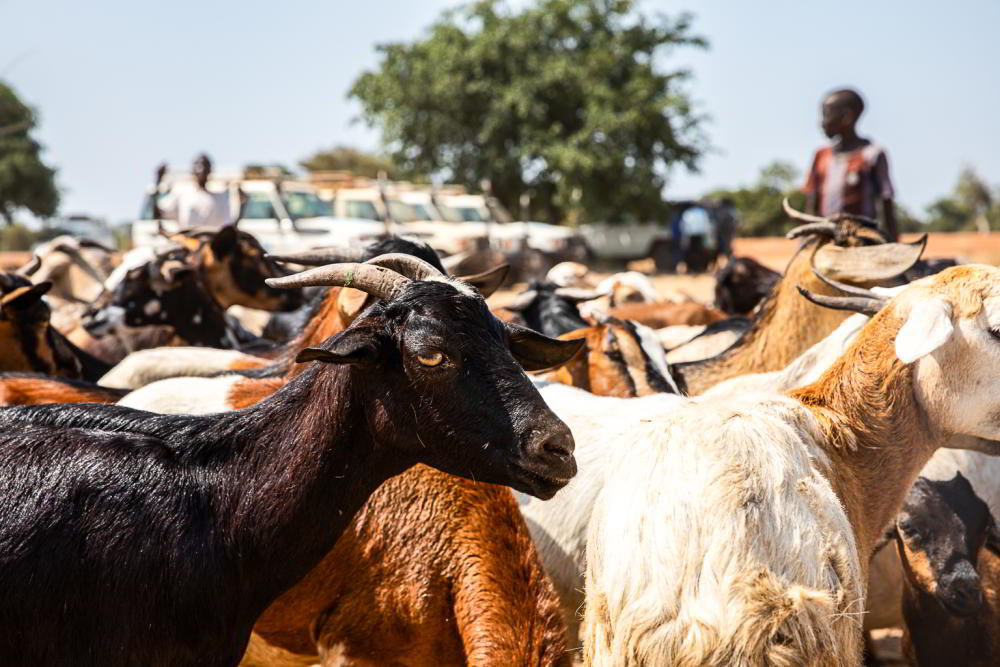
South Sudan. Goats and sheep are vaccinated against peste des petits ruminants (PPR). FAO
Uganda – A woman milks cows early in the morning. FAO
Continue reading...
Photo Gallery
Nicaragua: Granada: ‘La Gran Sultana’.

August 5, 2026August 5, 2026
[Show slideshow]
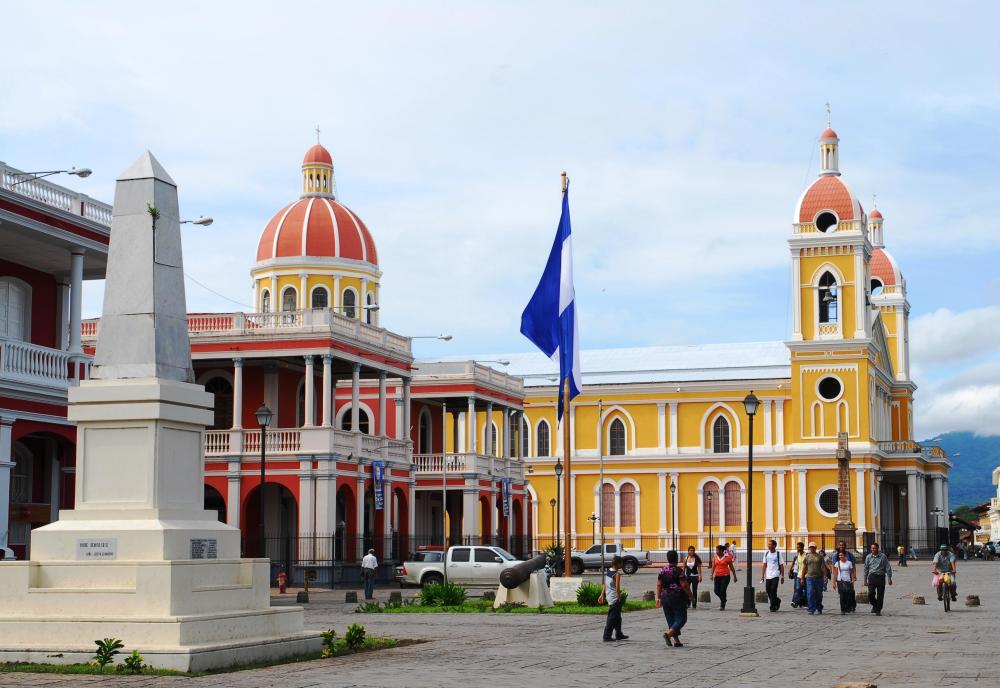
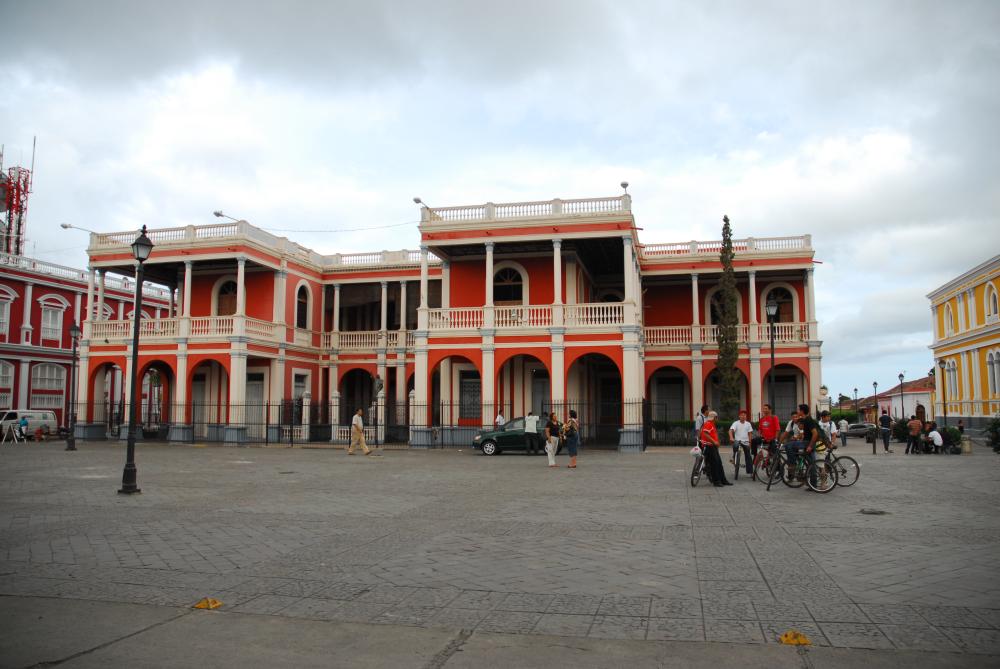
Granada is one of Nicaragua’s most important cities.  It has been known as 'La Gran Sultana' for centuries due to its beautiful colonial-style architecture.  File swm
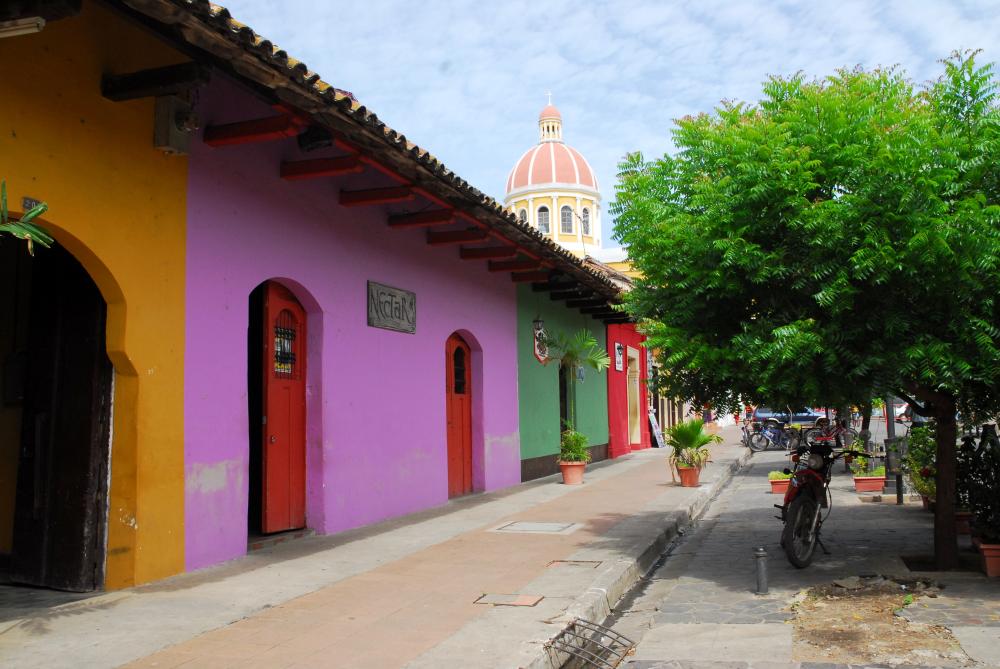
View of the Calzada with its colourful, characteristic colonial-style buildings.  File swm
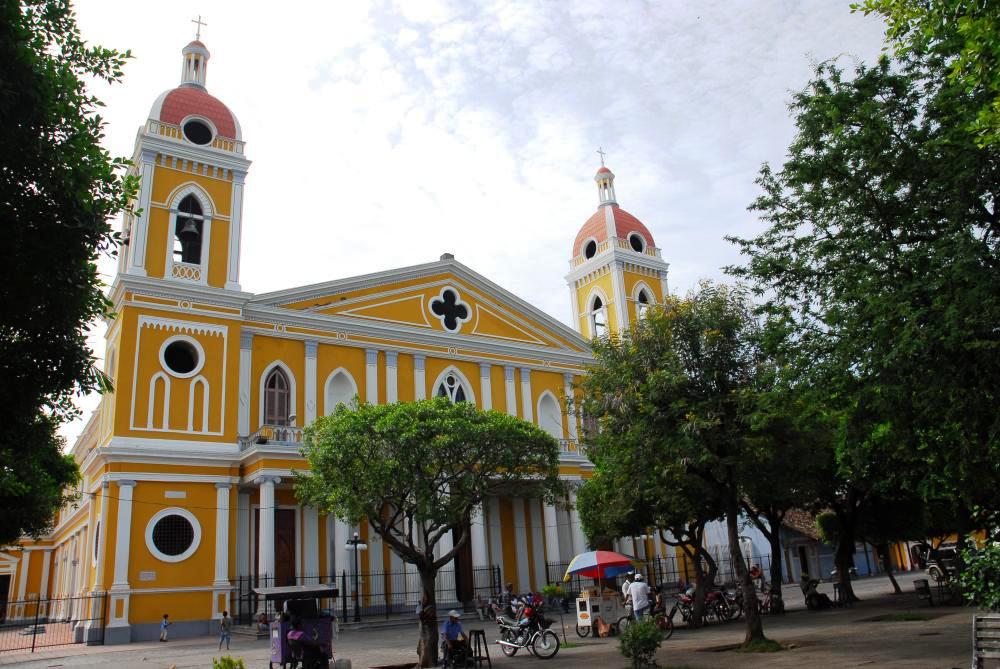
The cathedral dates back to 1880. It features a classical façade, a Renaissance dome and pointed and semicircular arches. File swm
The Bishop’s Palace. Built around 1913, it is in the Neoclassical style.  File swm
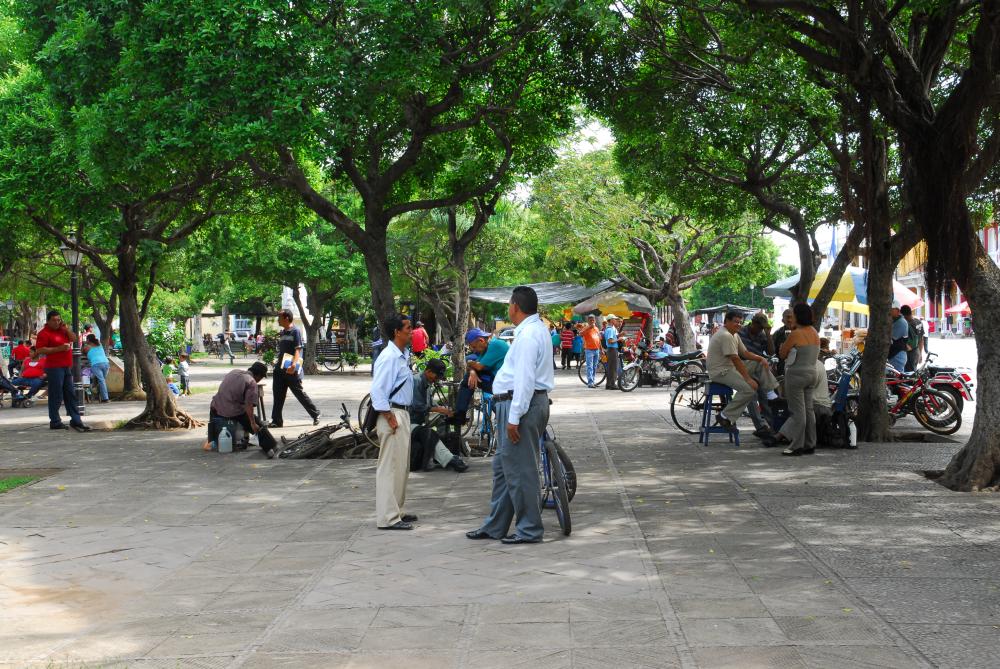
As in many other colonial cities in Latin America, the Central Park lies in the centre of the city and is the heart of Granada’s community. File swm
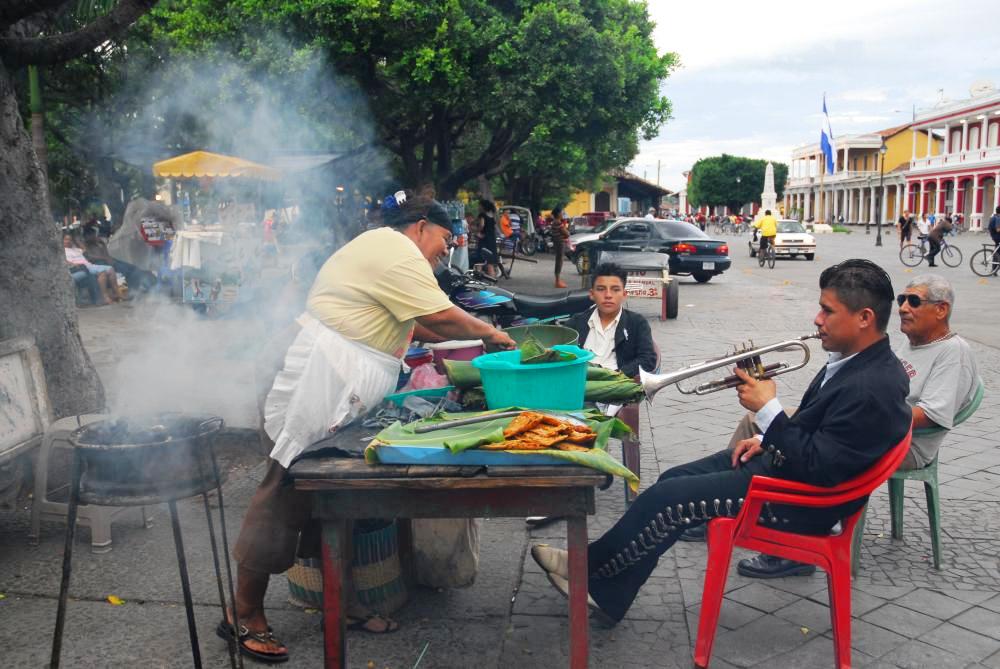
In Granada’s Central Park, you can enjoy traditional dishes (including vigorón) and music.  File swm
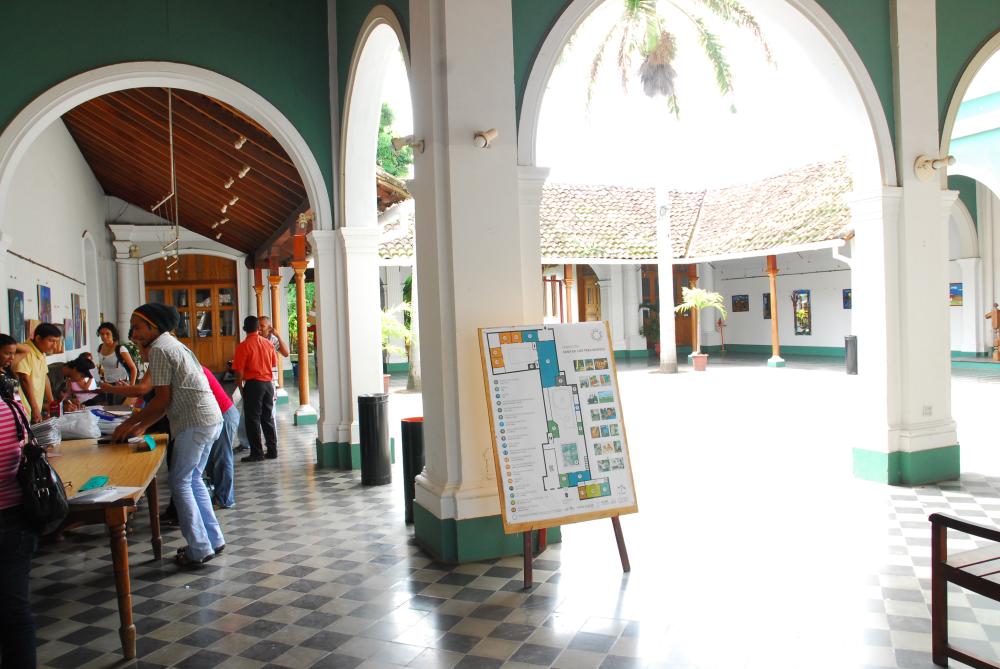
The House of the Three Worlds. A meeting place for local cultures. File swm
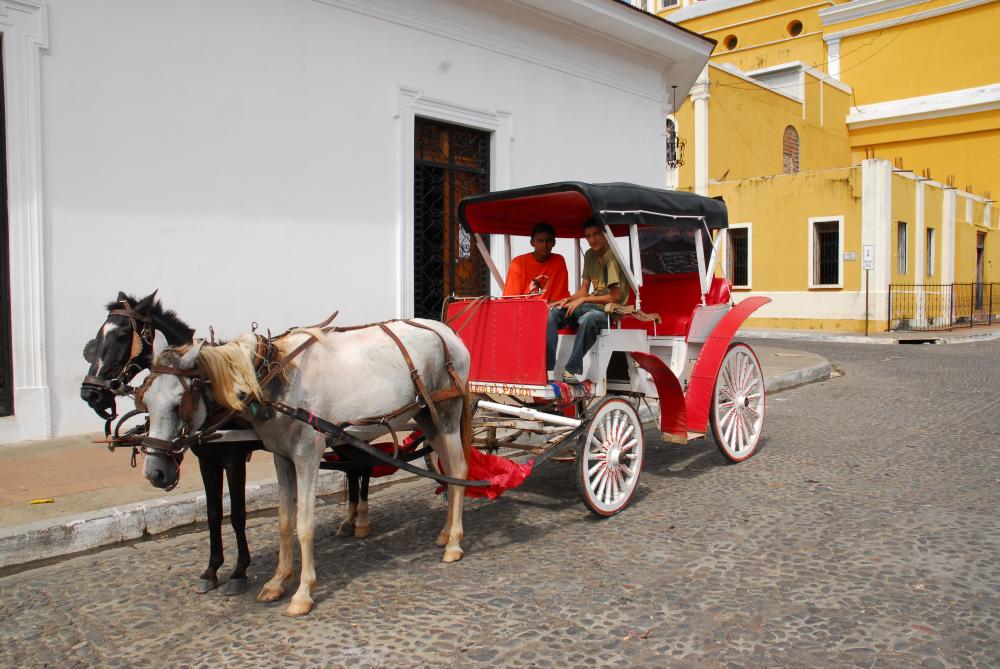
Horse-drawn carriages serving as local taxis. File swm
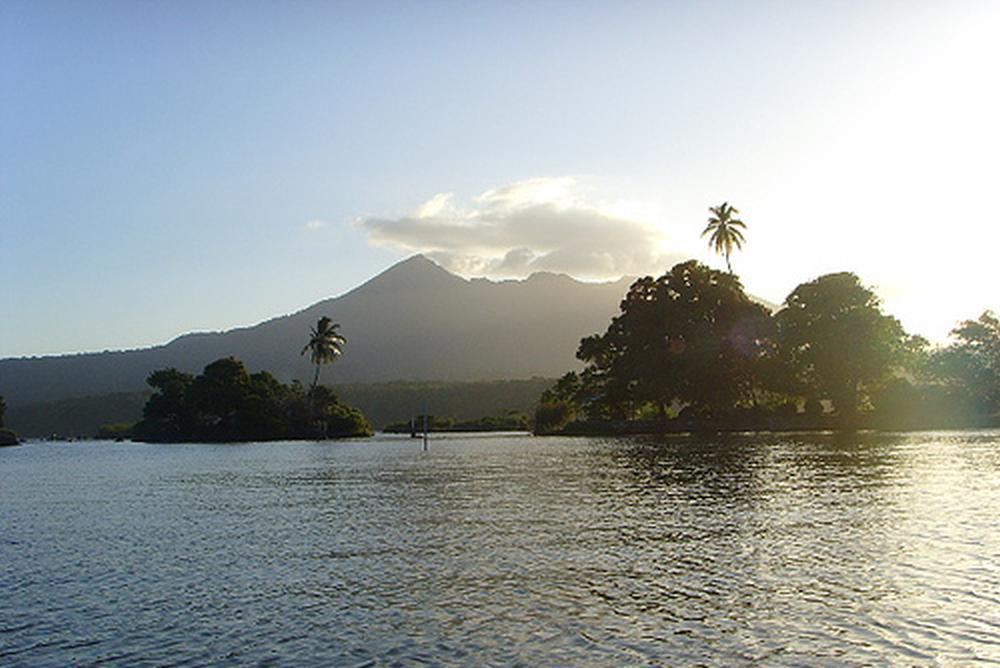
Lake Cocibolca. File swm
Continue reading...
Photo Gallery
Tropical fruits. The Healthy Way

July 2, 2026July 2, 2026
[Show slideshow]
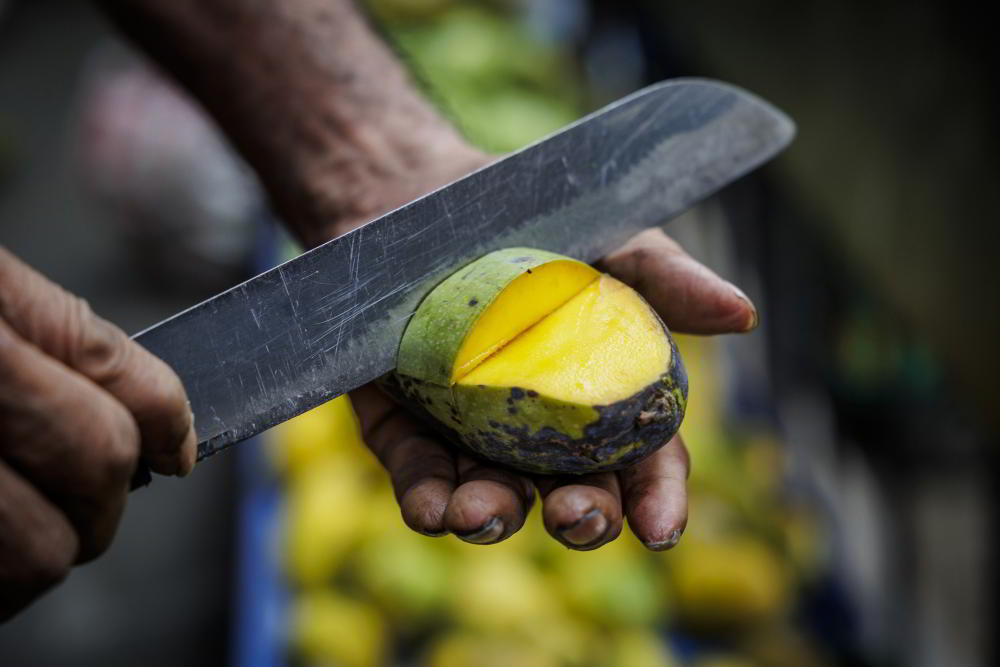
Sri Lanka. A fresh mango is sliced at the Kollupitiya Market. FAO
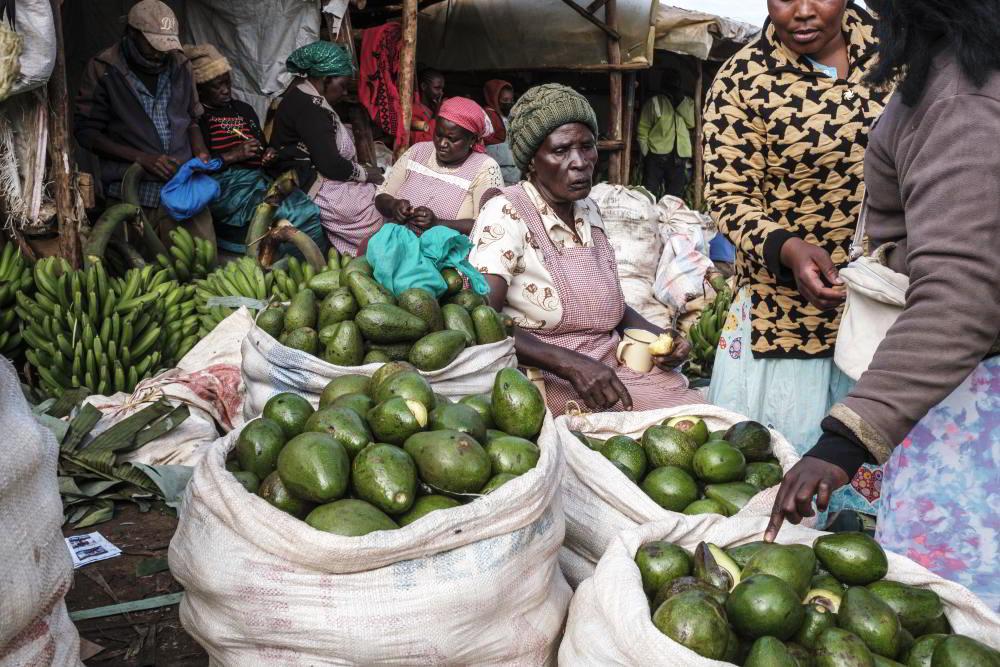
Kenya.  A woman holds avocados in a stall at the market. FAO
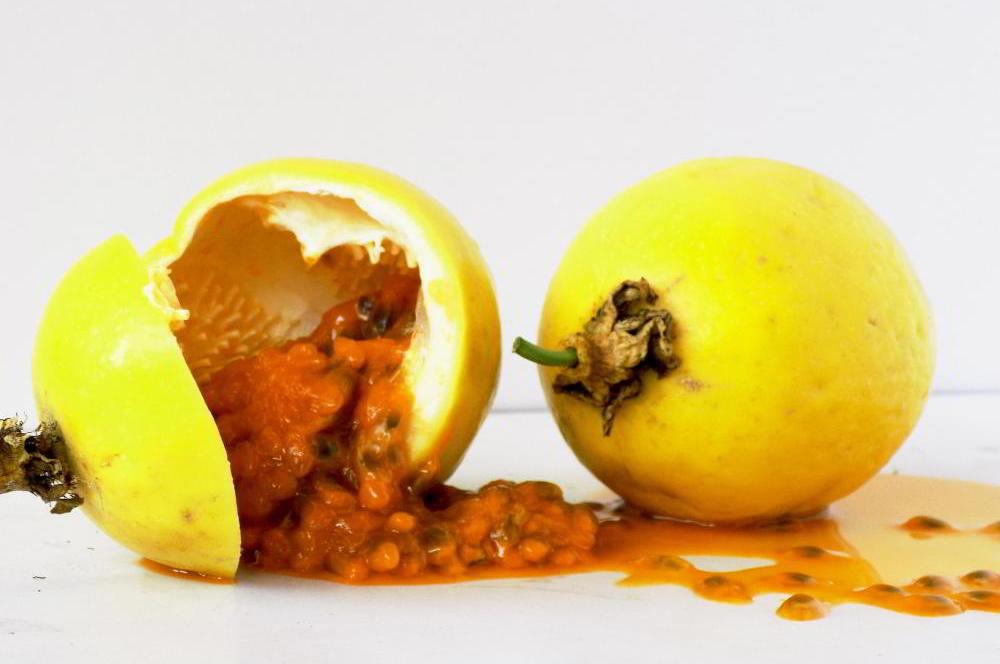
Passion fruit is a nutrient-dense tropical superfood packed with antioxidants, fiber, and vitamins A and C. Pixabay
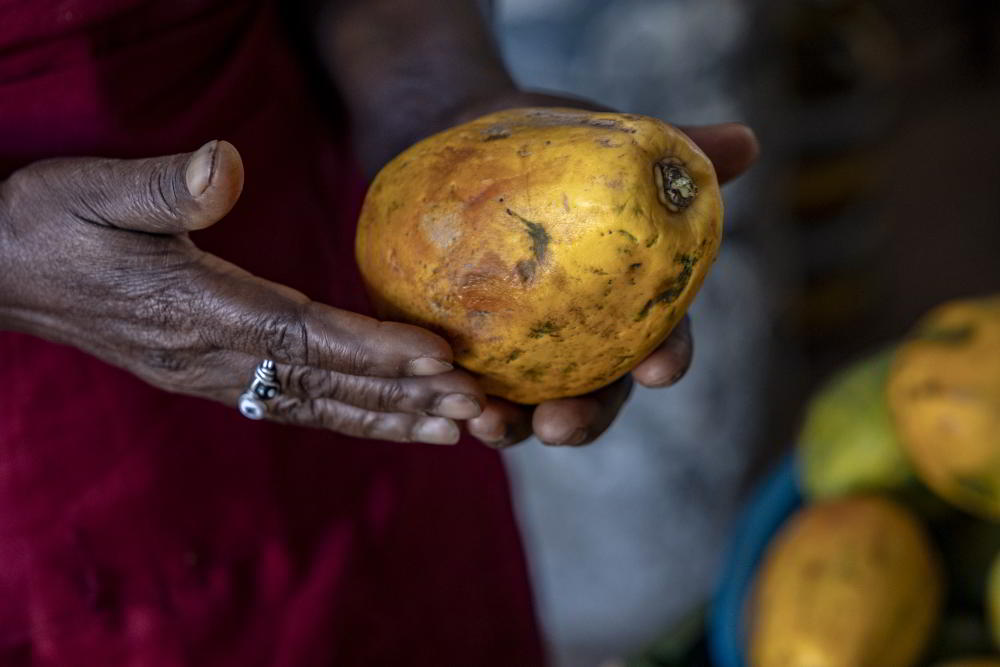
Cabo Verde. Woman's hands holding Mango. FAO
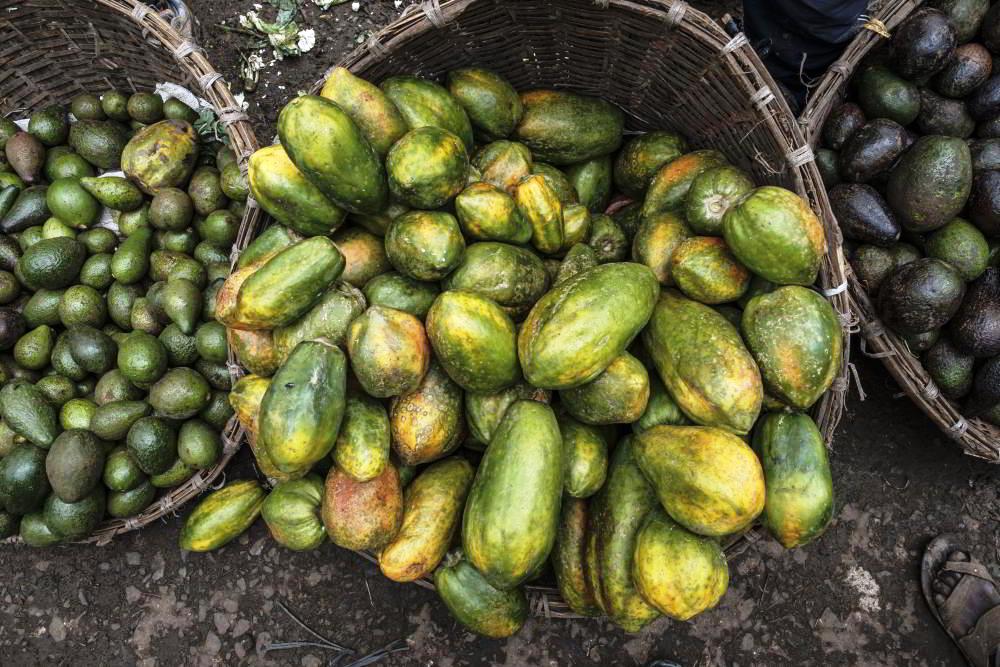
Ethiopia. Papayas and avocados are displayed in a street stall in the area of Atikilt Tera, in Addis Ababa. FAO
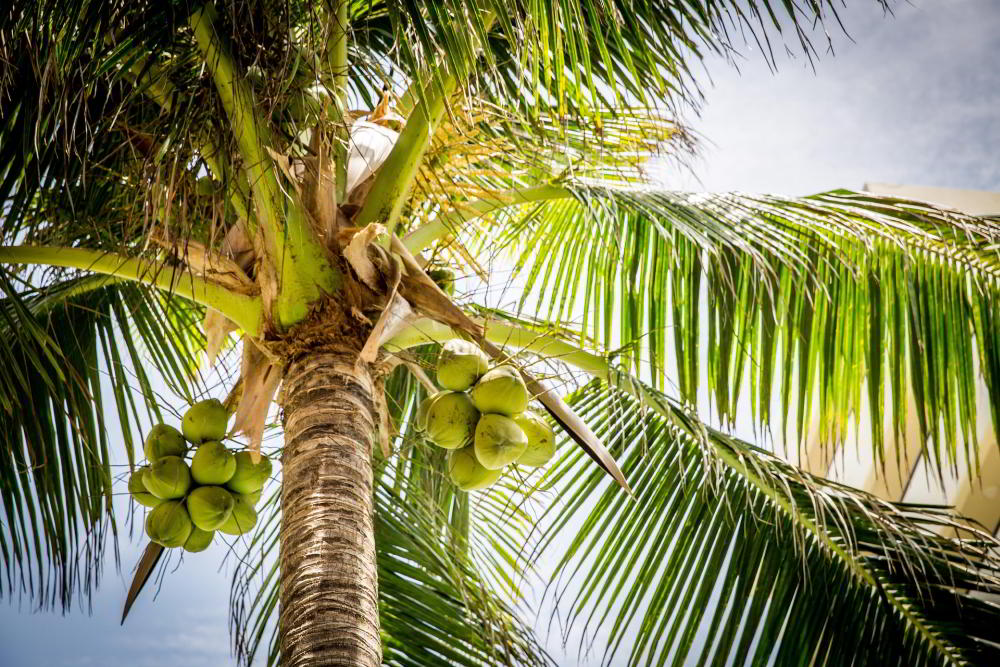
Coconut. The inner flesh of the mature fruit is a regular part of the diet of many people in the tropics and subtropics. FAO
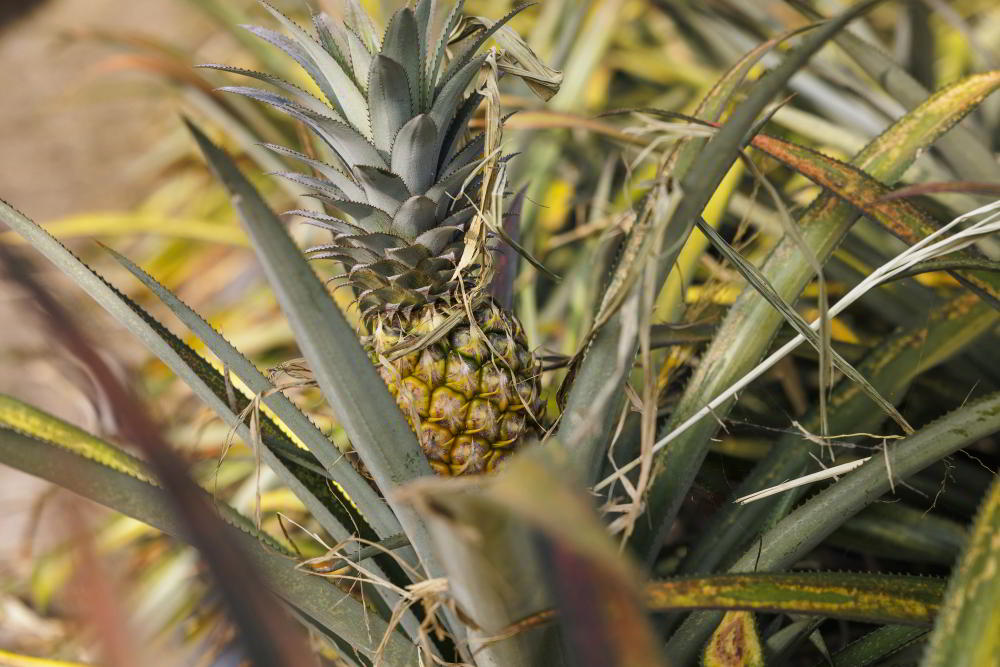
The pineapple is native to South America, where it has been cultivated for centuries. FAO
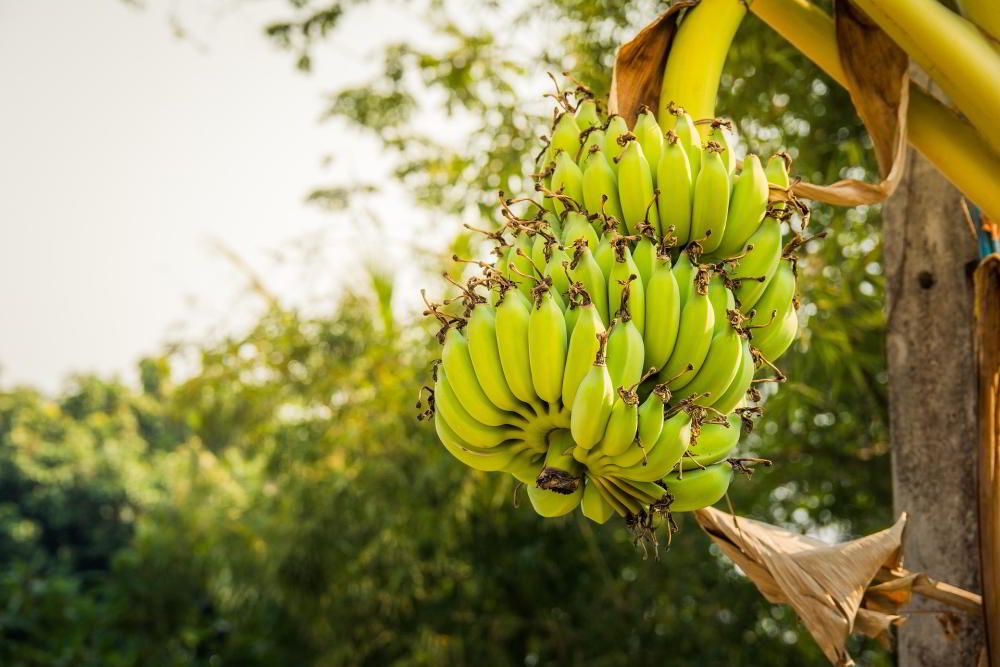
The world's largest producers of bananas are India and China. Pixabay
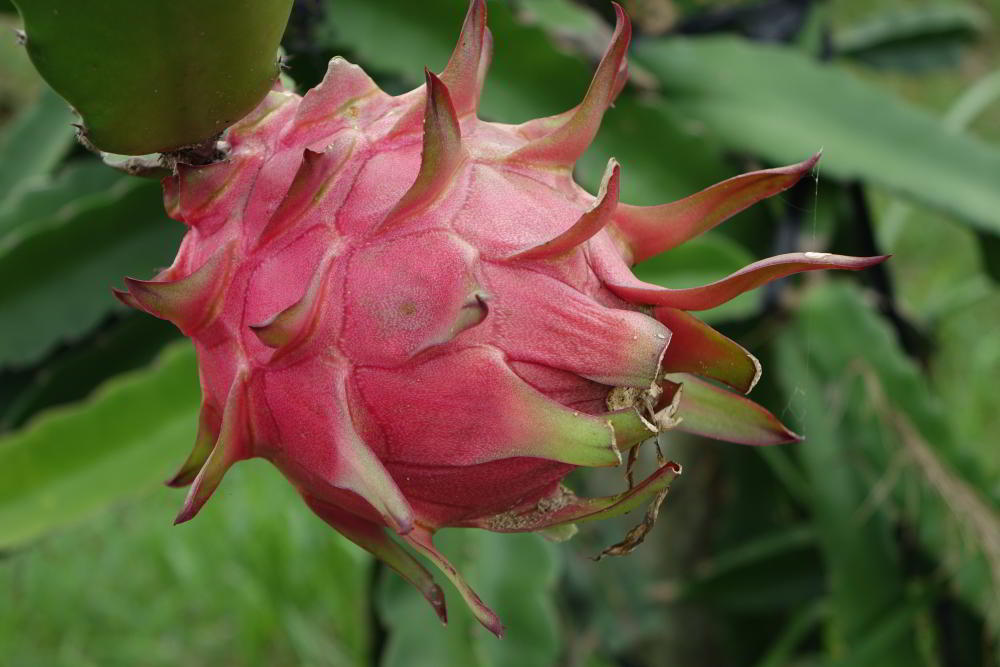
Pitaya, also known as dragon fruit, is native to the region of southern Mexico and along the Pacific coasts of Guatemala, Costa Rica, and El Salvador. Pixabay

Continue reading...
Photo Gallery
Postcards from Cambodia

June 3, 2026June 3, 2026
[Show slideshow]
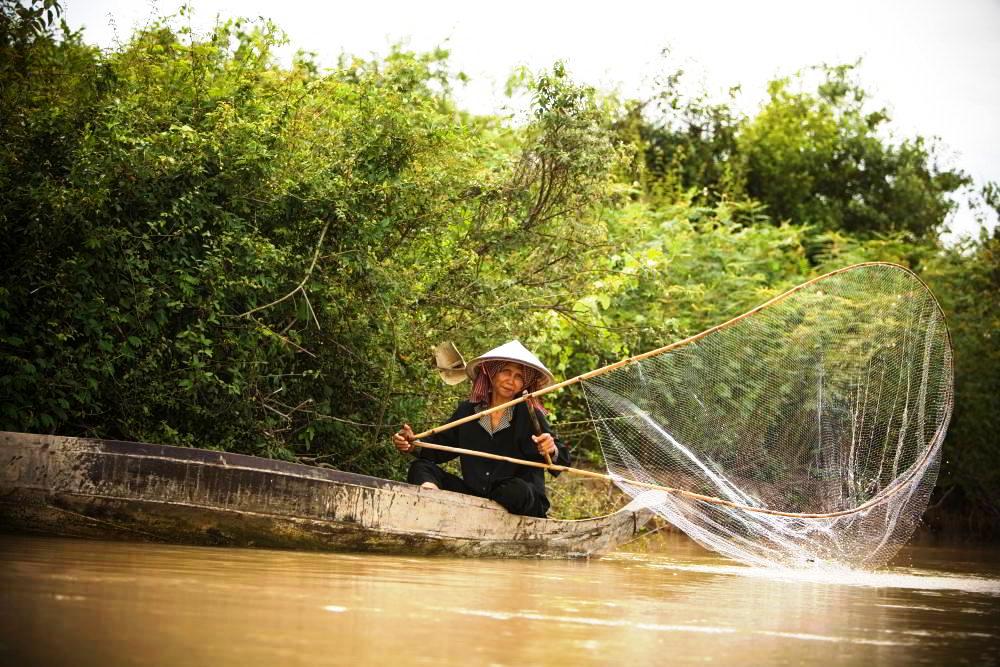
A woman casting a fishing net from a boat on the Tonle Sap River.  FAO
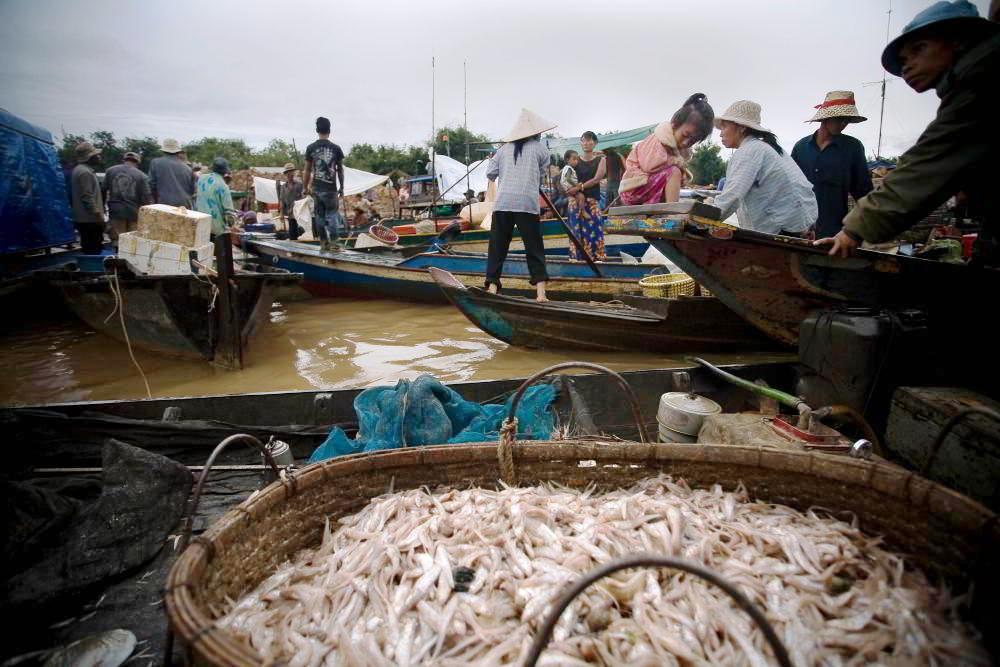
Fishermen returning with baskets of fish along the Tonle Sap River. FAO
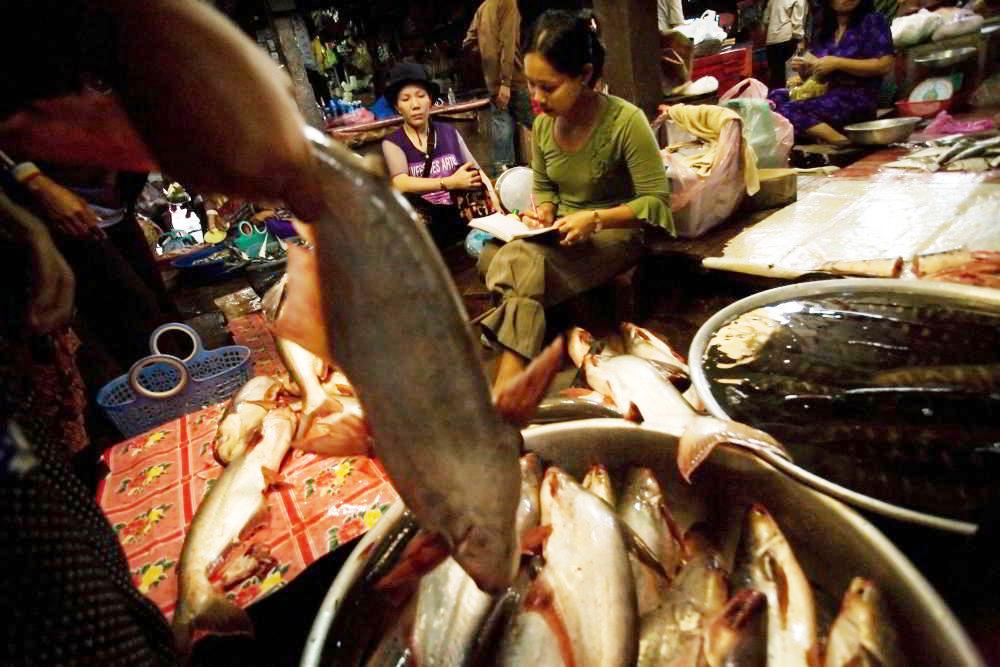
Women fish vendors selling goods at the local fish market in Kampot town. FAO
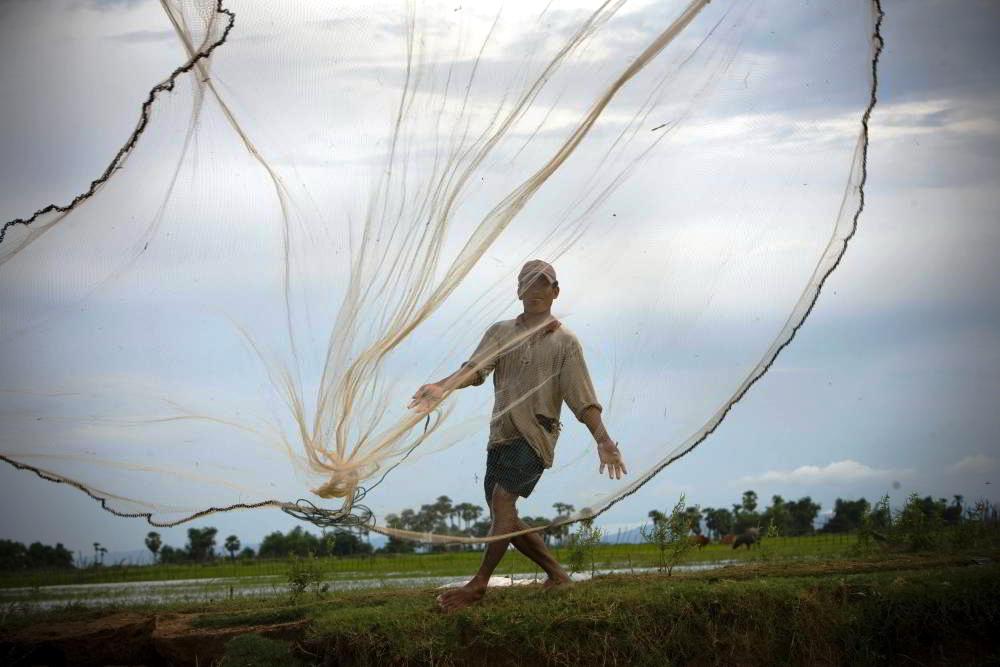
Fisherman casting a net from the banks of the Tonle Sap River. FAO
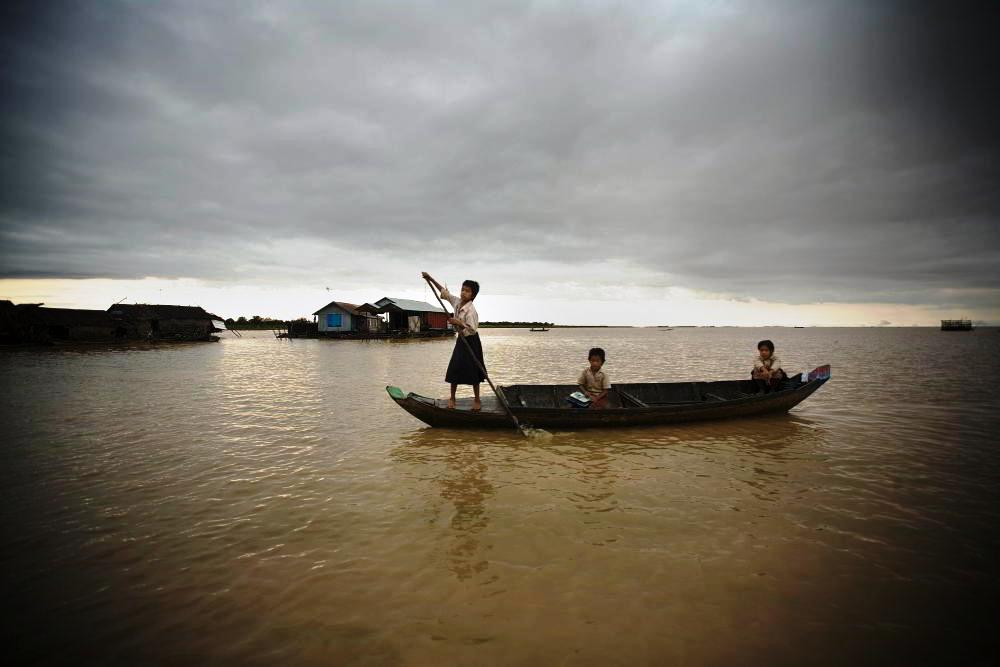
School children paddling down the Tonle Sap River. FAO
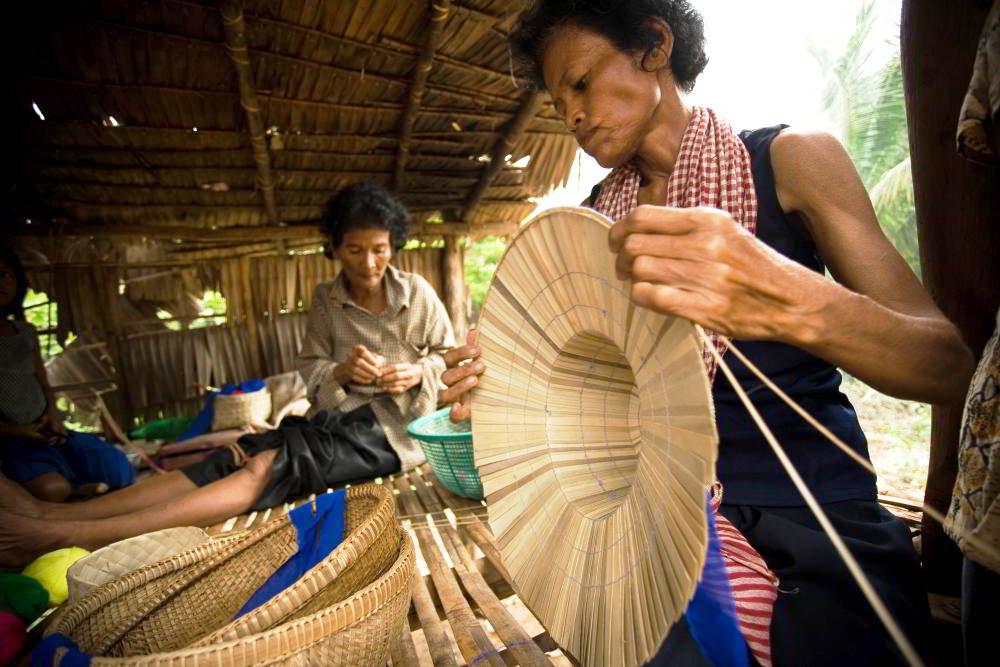
A weaver making a hat from dried reeds. Hats. FAO
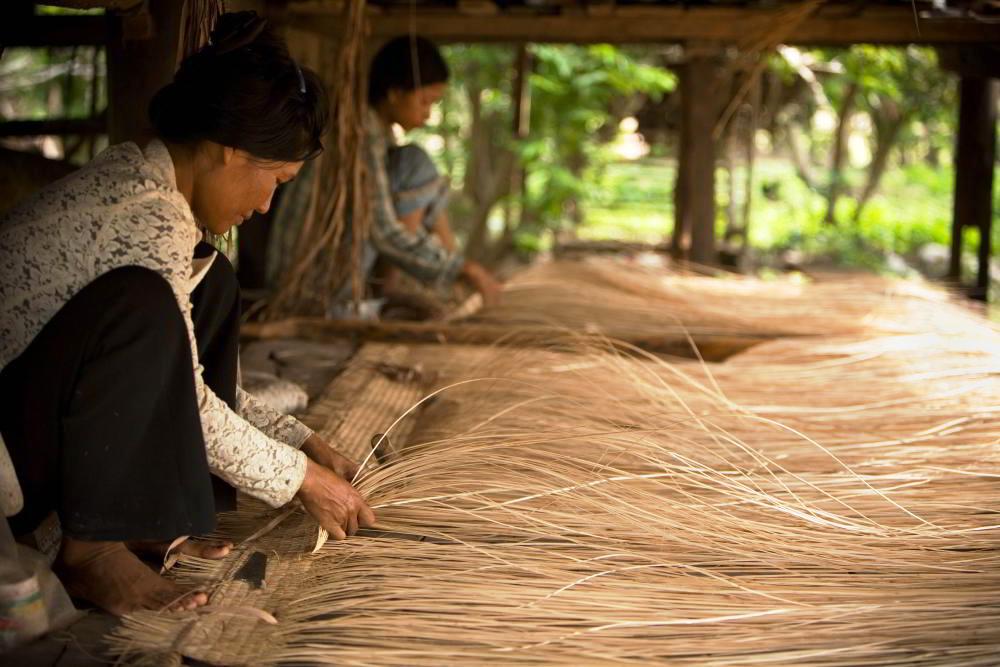
Women weaving mats. FAO
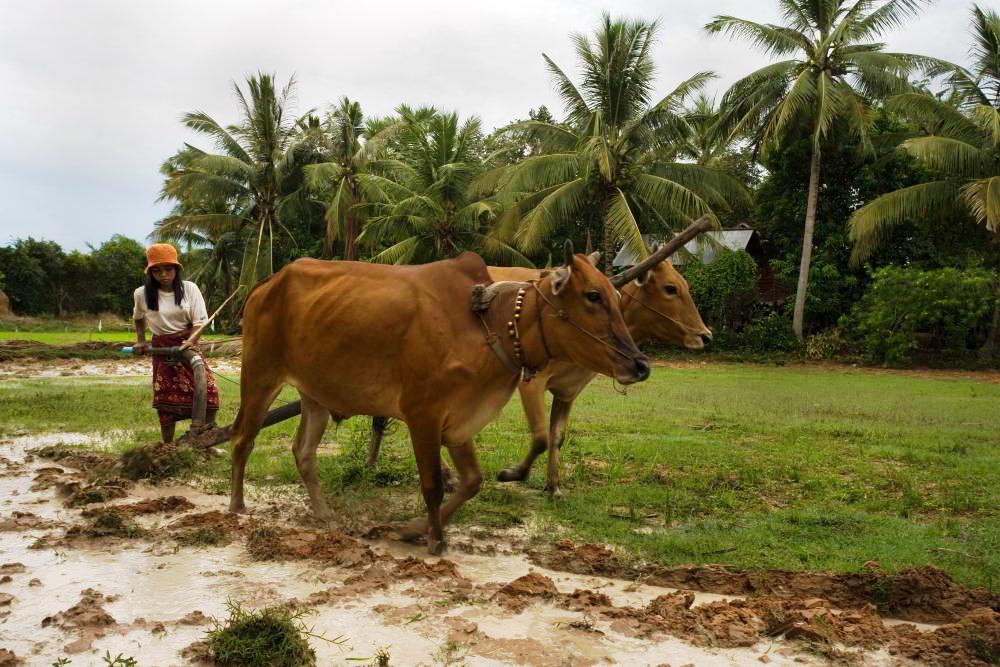
A woman farmer tilling a rice paddy for the planting season. FAO
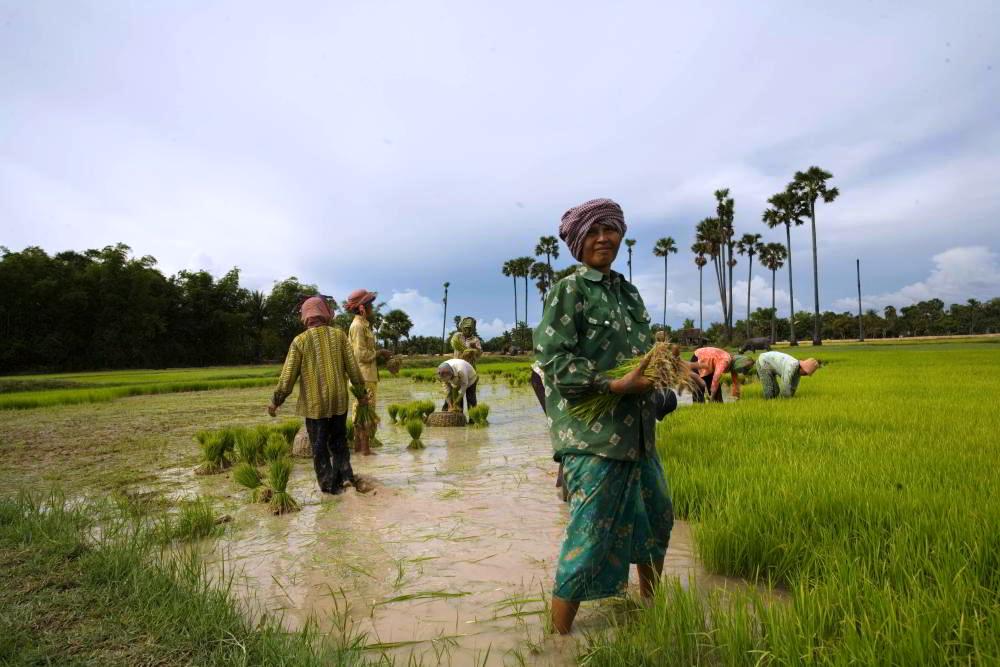
A community of farmers harvesting bundles of rice seedlings to be transplanted in other paddies within the province. FAO
Continue reading...
Photo Gallery

2026. The International Year of the Woman Farmer

May 5, 2026May 5, 2026
[Show slideshow]
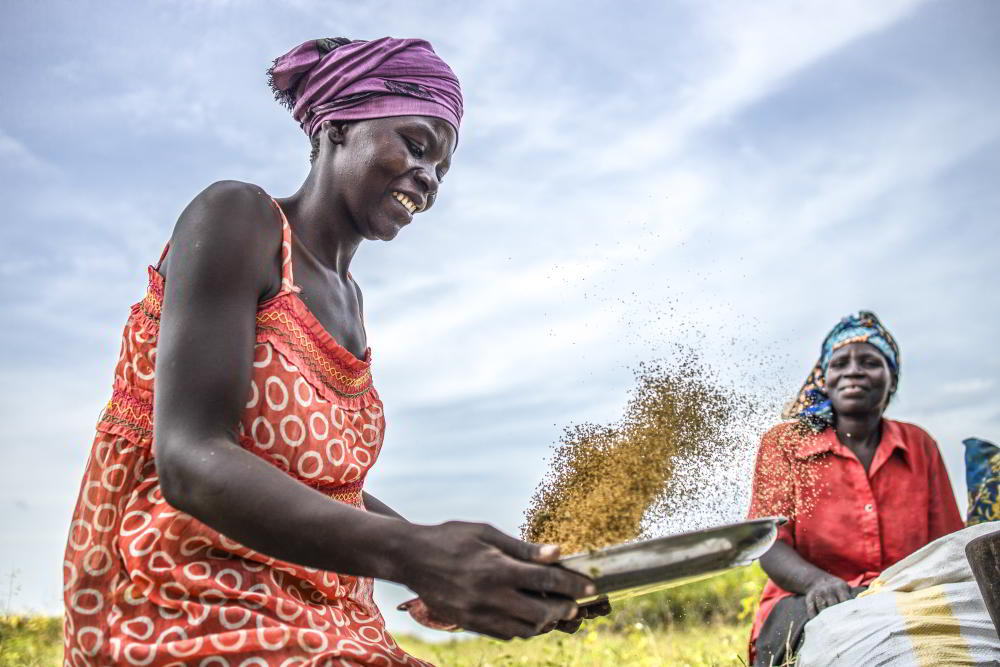
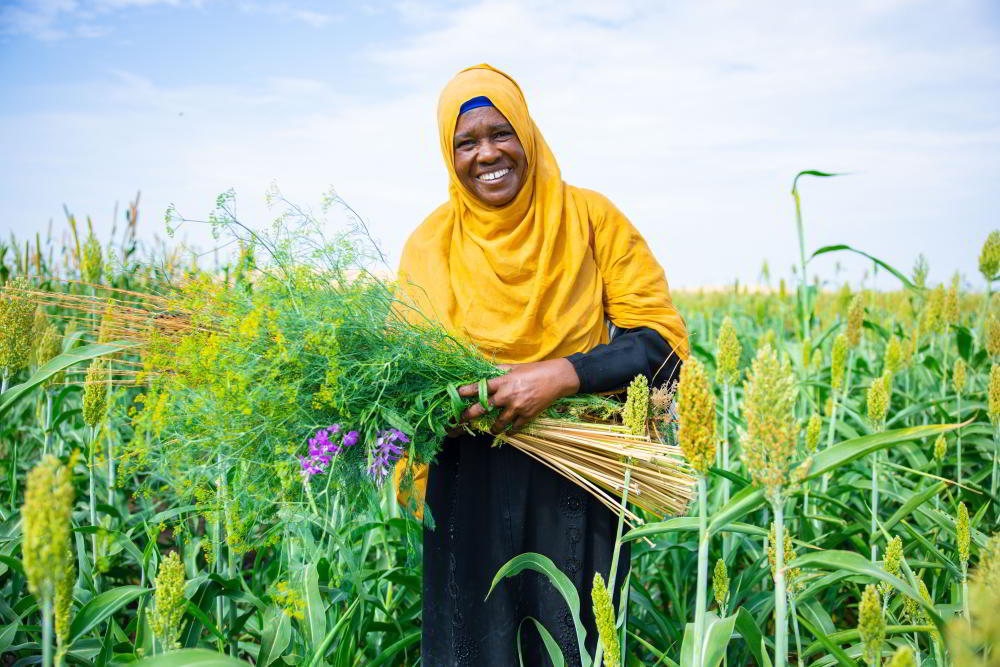
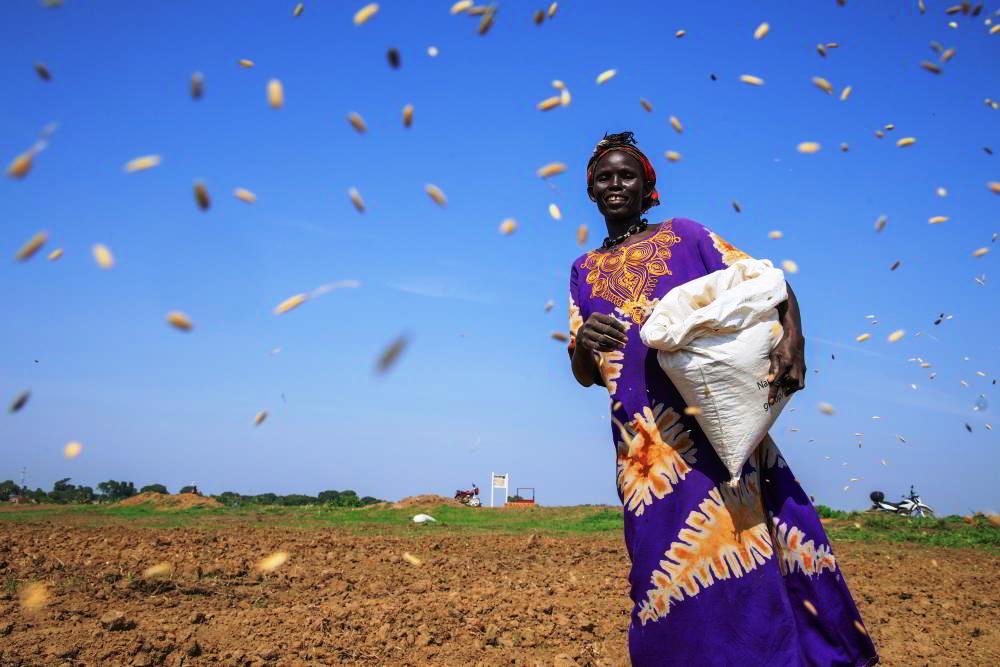
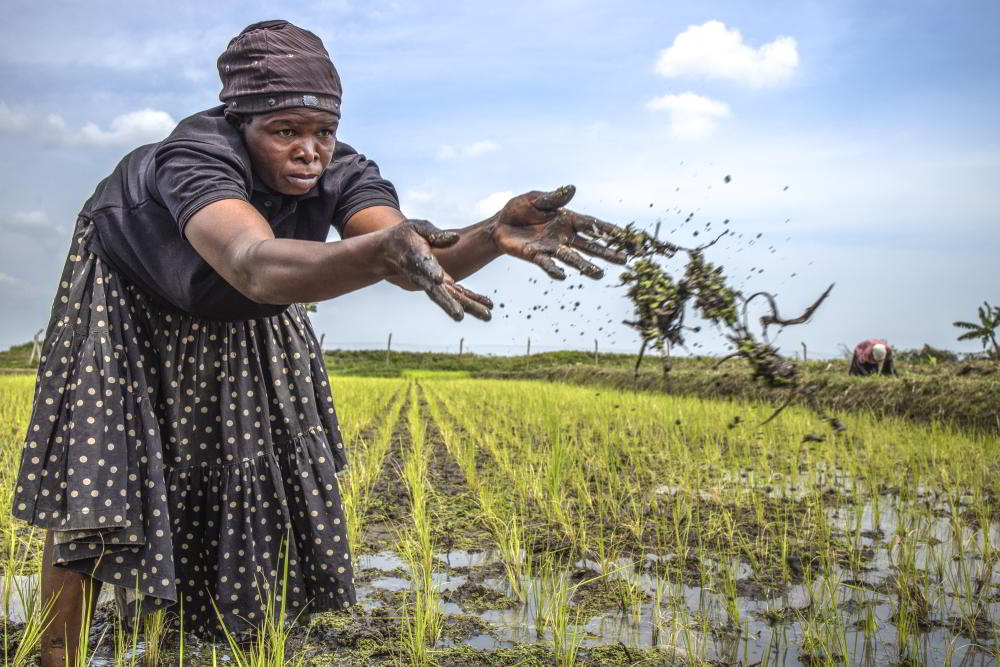
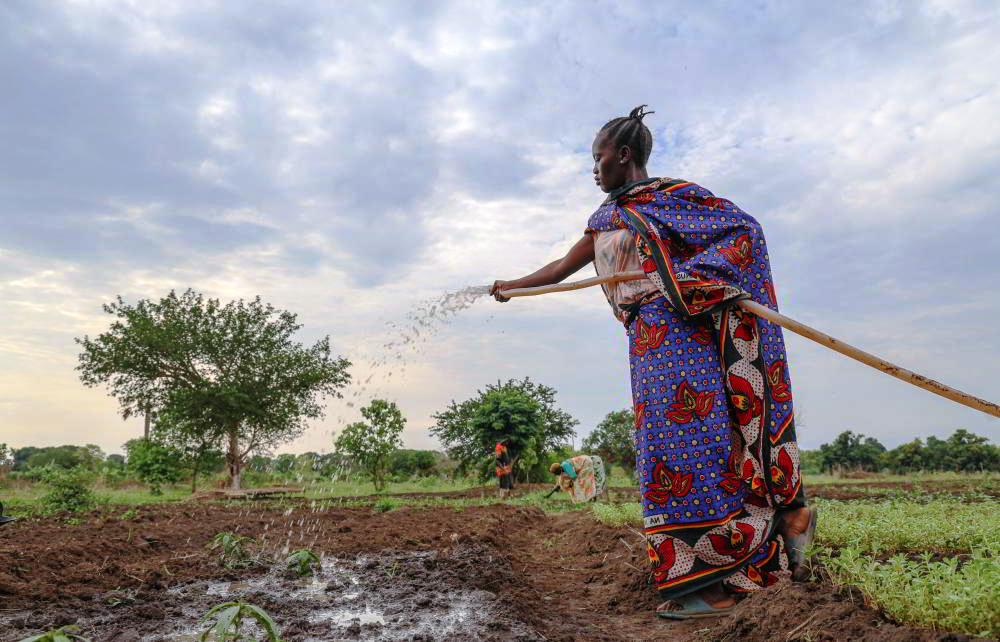
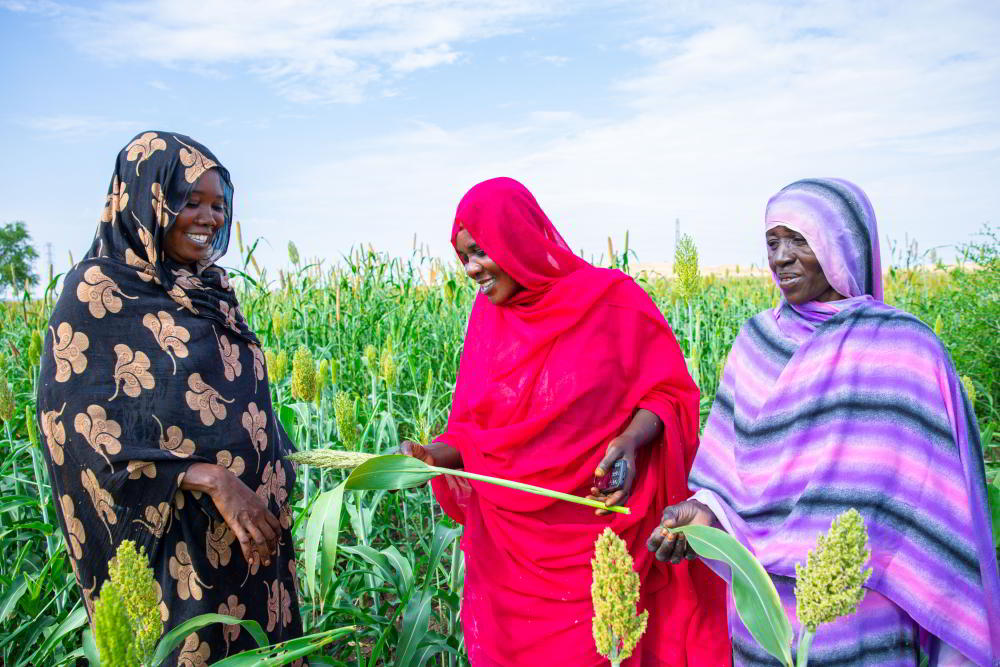
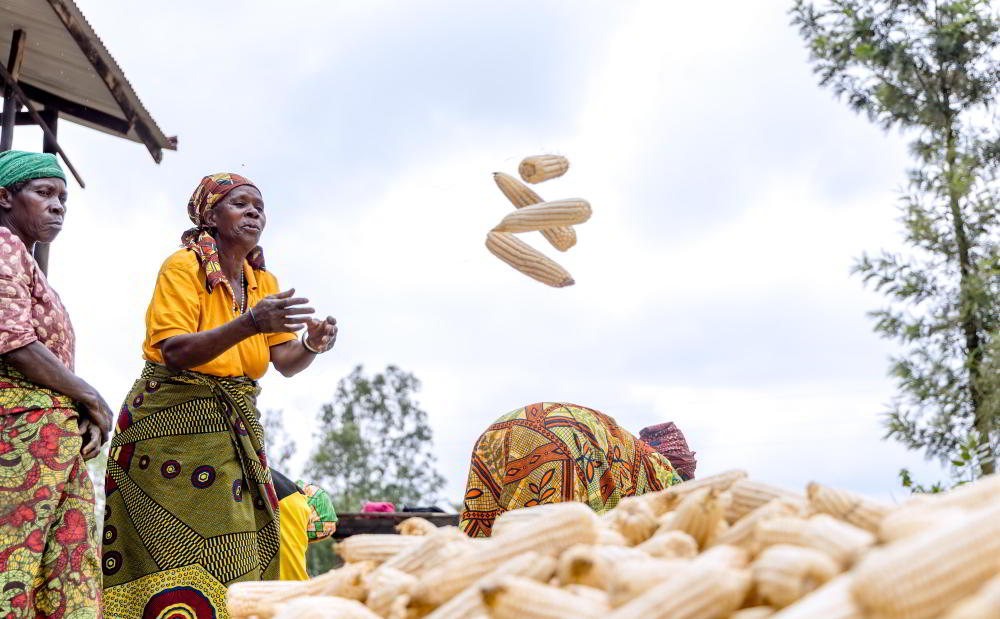
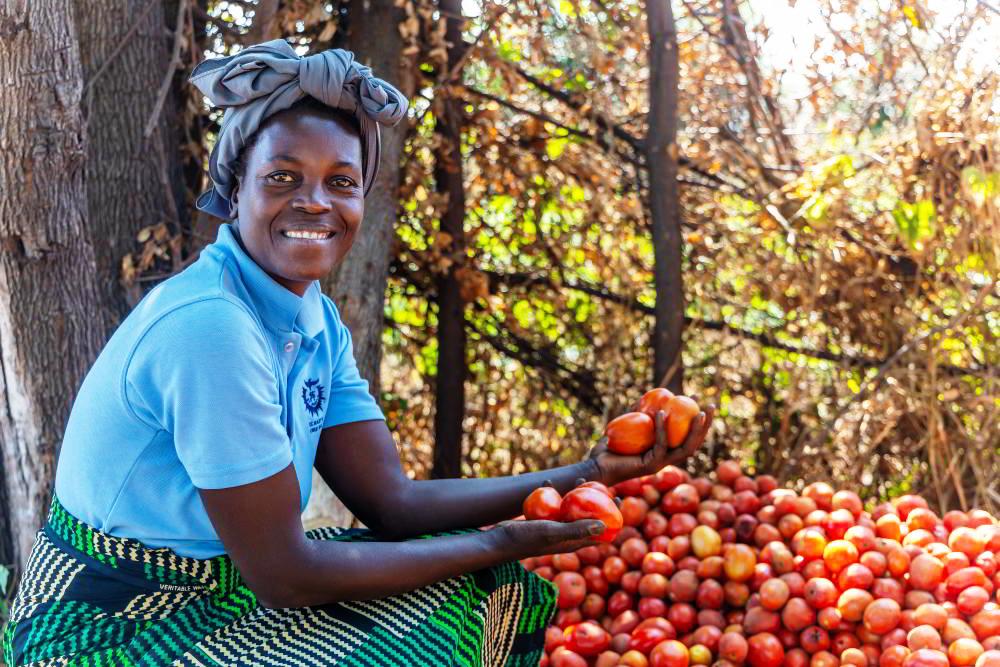
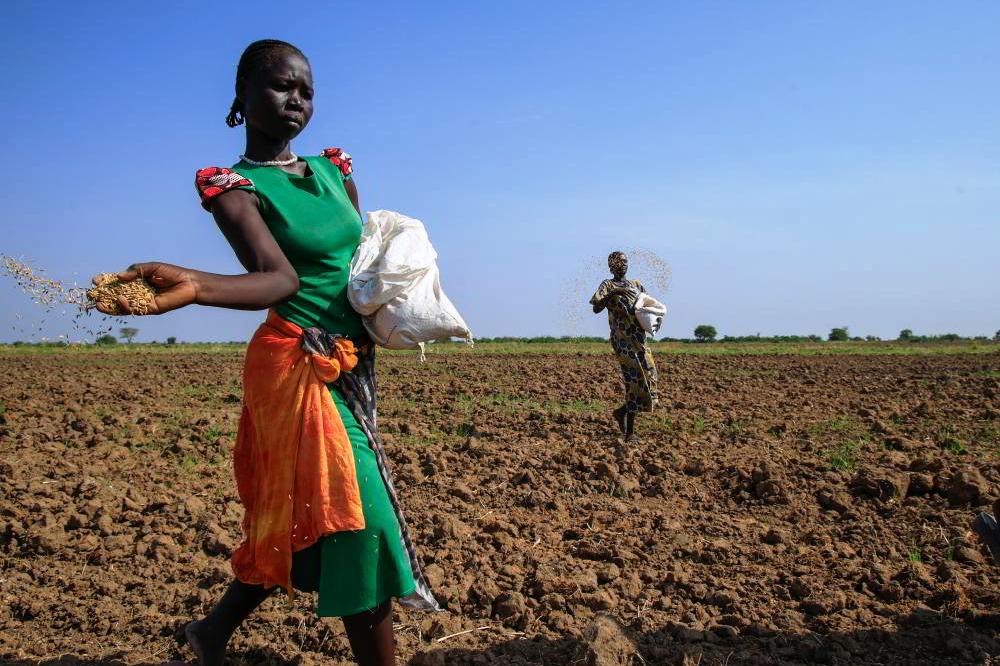
Women farmers are all women working in agrifood systems in different capacities across all segments of value chains. Photo FAO
Women farmers represent 39 % of the global agricultural workforce. Photo FAO
Across the world, women are at the heart of agrifood systems.   Photo FAO/Adam Ibrahim
Women farmers work harder, often under more difficult conditions, and their contributions are not always fully recognized.  Photo FAO
Women leading the fight against hunger all over the world. Photo FAO
Investing in women farmers strengthens food security. Photo FAO
Women farmers are not considered in decision-making processes and struggle to access credit or financial services. Photo FAO
When women lead, communities gain.  Photo FAO
Women farmers face persistent barriers women face across agrifood systems - including unequal access to land, information and social protection. Photo: FAO
Continue reading...
Photo Gallery
South Korea. The Haenyeo, “Women of the sea”.

April 1, 2026April 1, 2026
[Show slideshow]
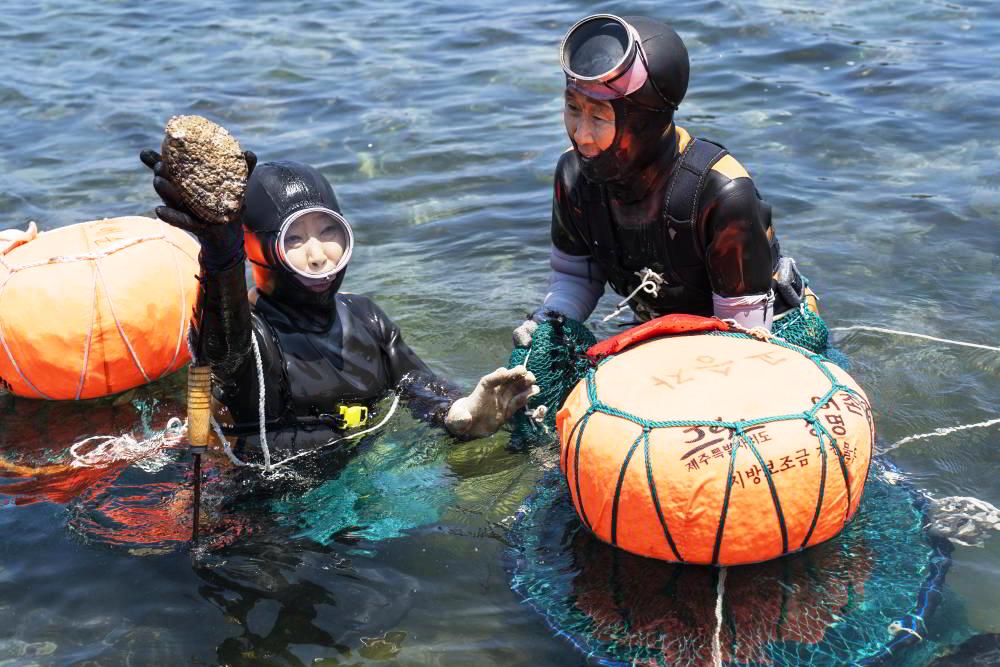
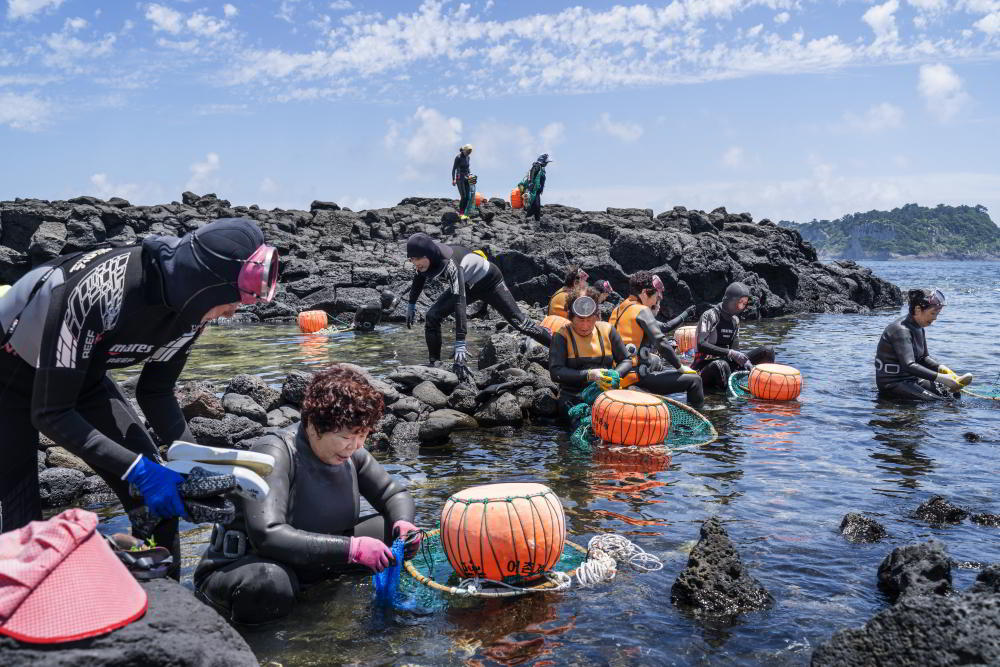
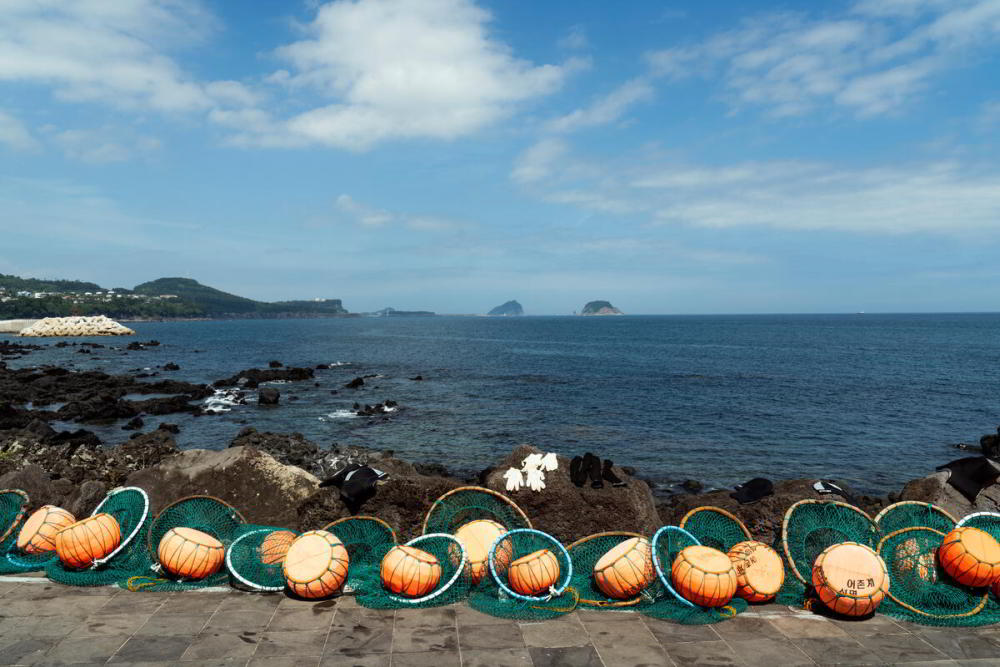
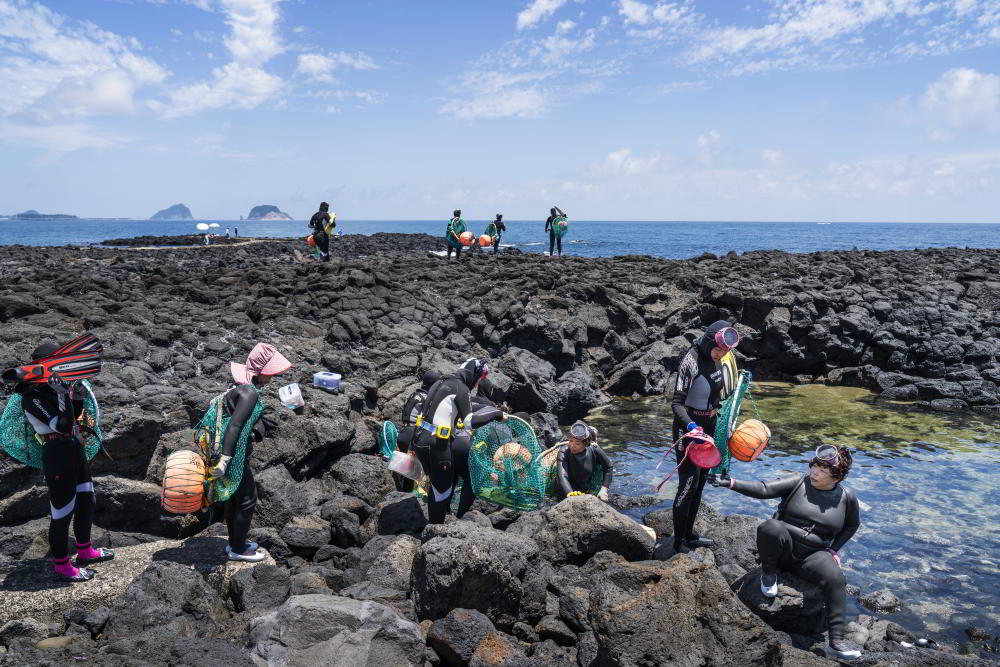
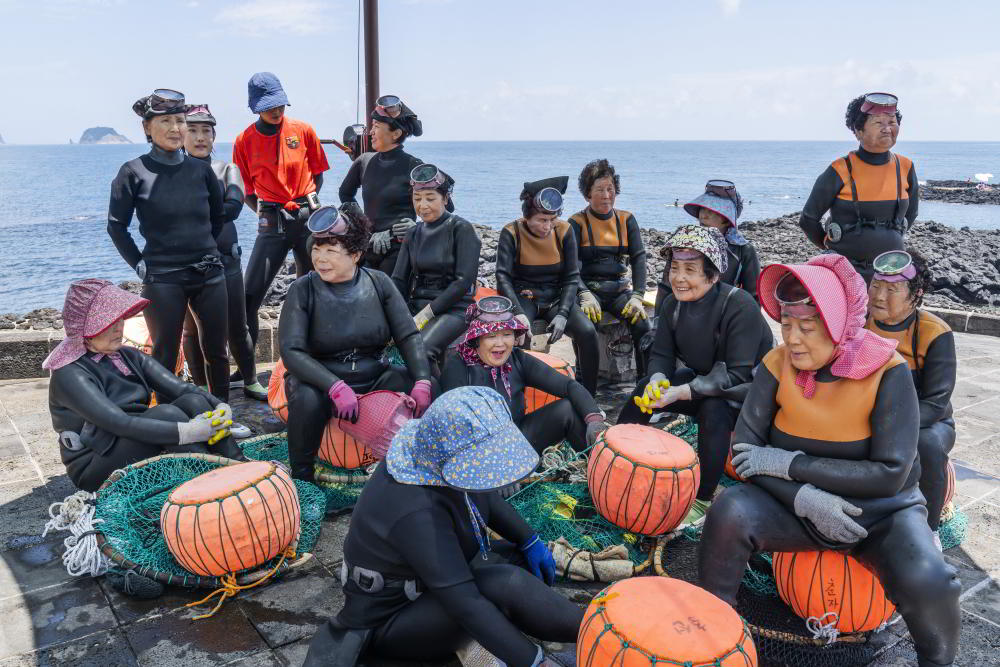
The historic tradition of Jeju Island: the haenyeo, or “women of the sea”. Photo: FAO/David Hogsholt
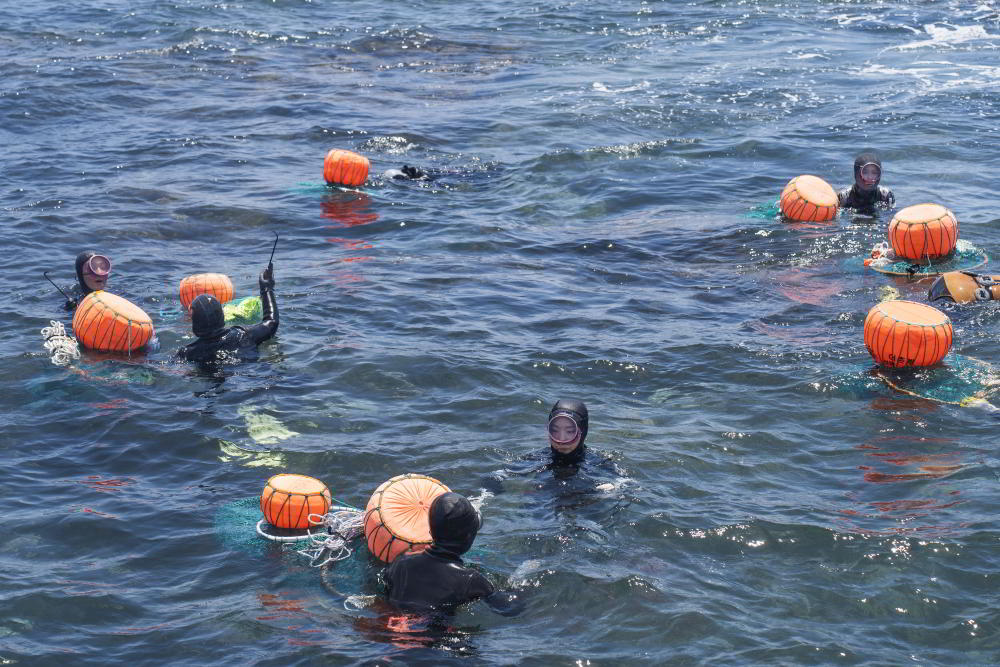
They go out to sea in groups. Photo: FAO/David Hogsholt
The haenyeo respect nature, so their fishing is sustainable. Photo: FAO/David Hogsholt
Female divers in Jeju perform shamanic rituals for Yeongdeung Halmang, the sea goddess. Photo: FAO/David Hogsholt
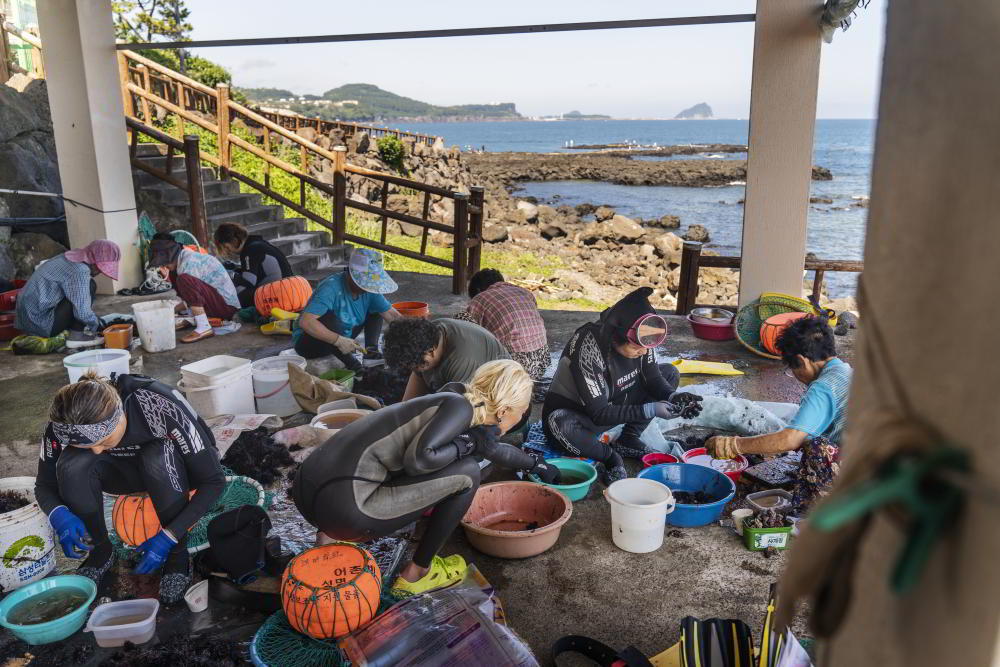
The haenyeos clean their catch of sea and divide the catch equally. Photo: FAO/David Hogsholt
In 2016, UNESCO declared the Haenyeo an Intangible Cultural Heritage of Humanity. Photo: FAO/David Hogsholt
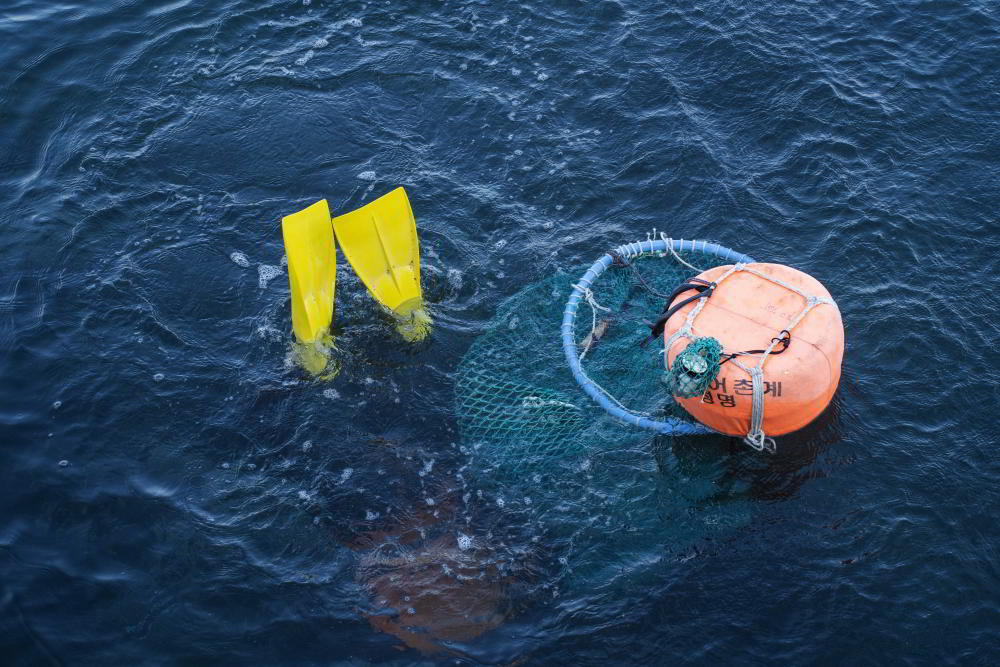
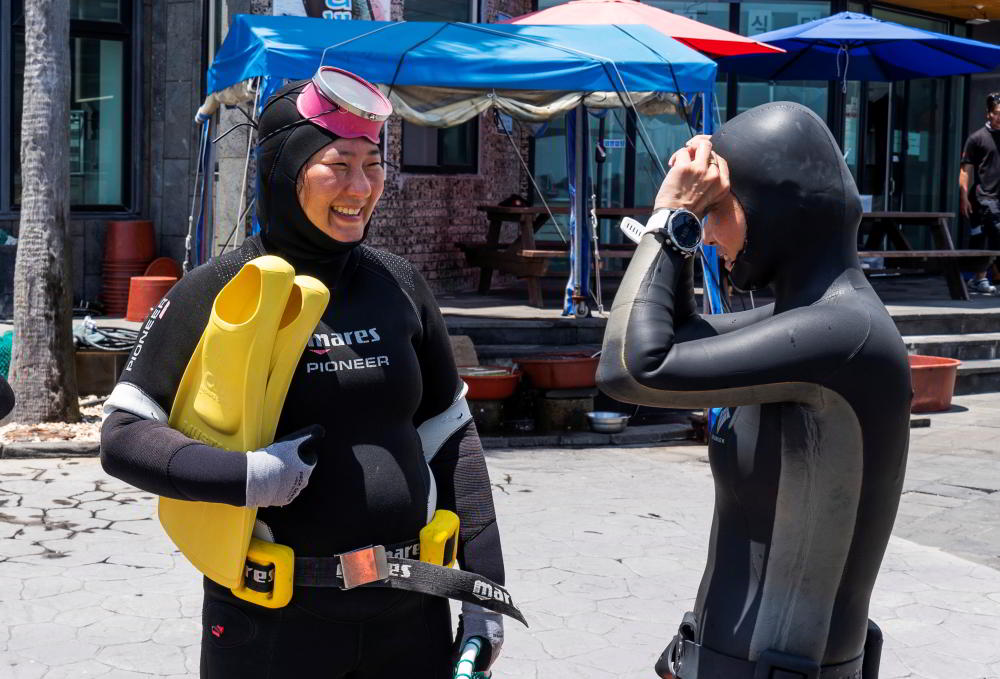
A haenyeo teaches the technical skills of breath-hold diving.  Photo: FAO/David Hogsholt
The Jeju divers have a place in Korean history for what they have represented for Korean women. Photo: FAO/David Hogsholt
Haenyeo still exist, but in much smaller numbers than before. In 2024, Jeju's provincial government counted 2,839, but 90% were aged 60 or over. Photo: FAO/David Hogsholt

Continue reading...
Photo Gallery
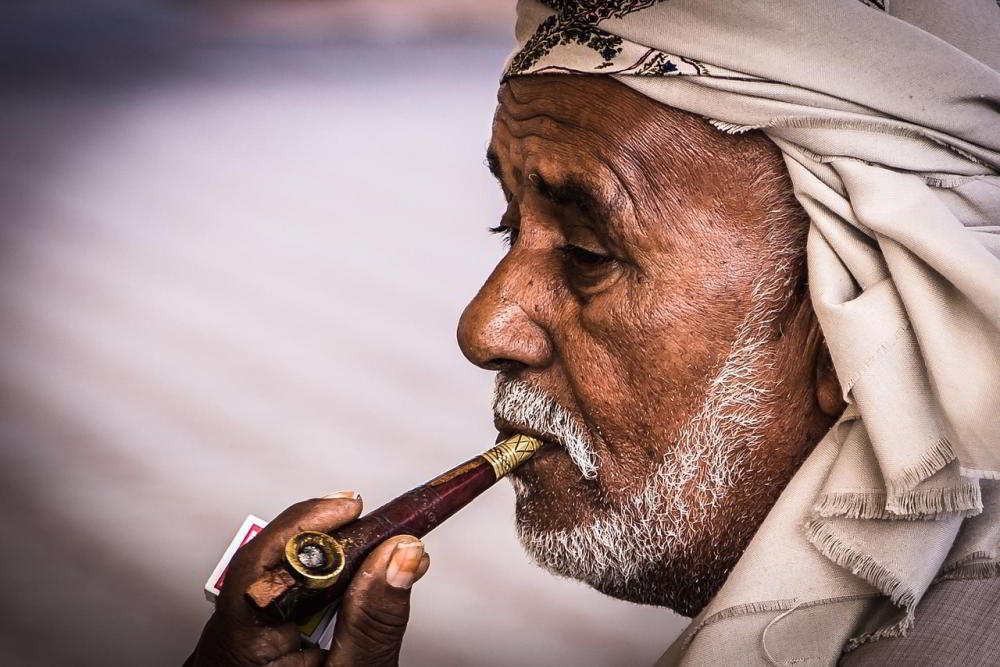
Arabic Moments

March 5, 2026March 5, 2026
[Show slideshow]
“There’s always tomorrow.” File swm
“Keeping a secret is a commitment.” File swm
“Scent is the food of the soul”. File swm
“May God give you a long life and the happiness of old age”.  Photo: Pixabay
“The heart sees before the eye”. Photo: Pixabay
“A known mistake is better than an unknown truth.” File swm
“There are three kinds of hearts: one is wise without advice, one needs reminding and the other is a pot with a hole; anything poured into it leaks out”. File swm
“The one who persists in his journey will arrive”. File swm
“The impossible is a nomad’s tent”. File swm

Continue reading...
Photo Gallery
Ecuador. An Andean ceremony for Pachamama.

February 2, 2026February 2, 2026
[Show slideshow]
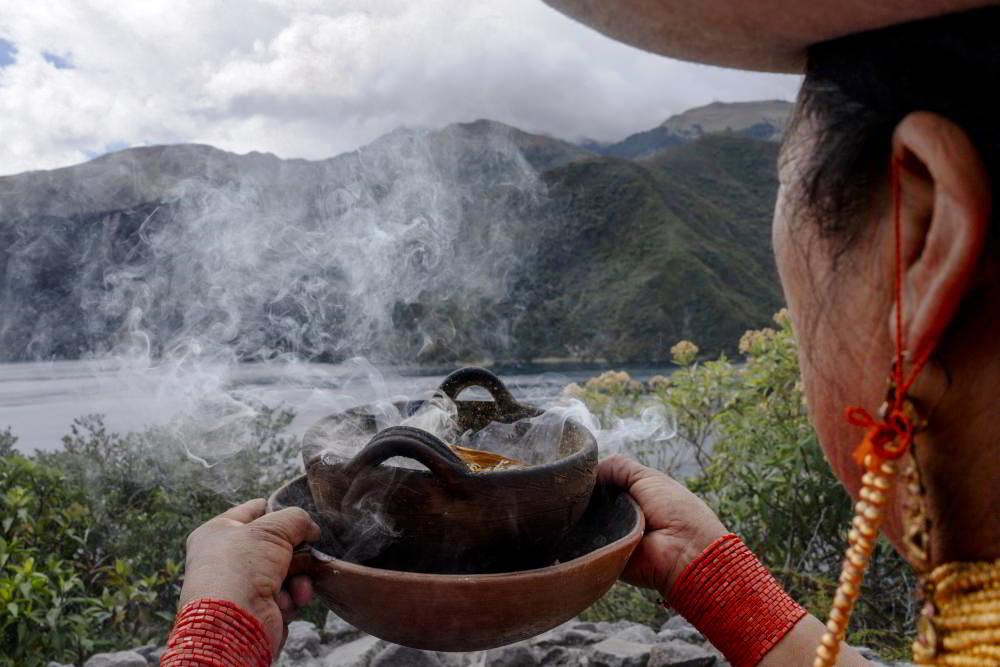
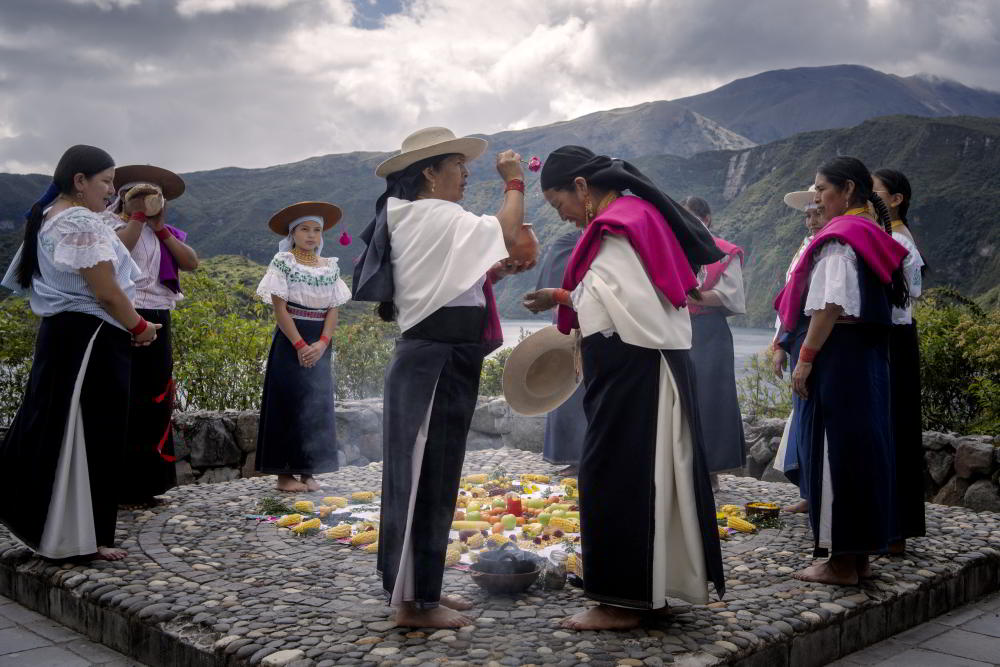
Ecuador. A member of the Ancestral Women's Committee, holds a fire during a ceremony to give thanks for the harvest at Cuicocha Lagoon. Photo: FAO/Johanna Alarcón
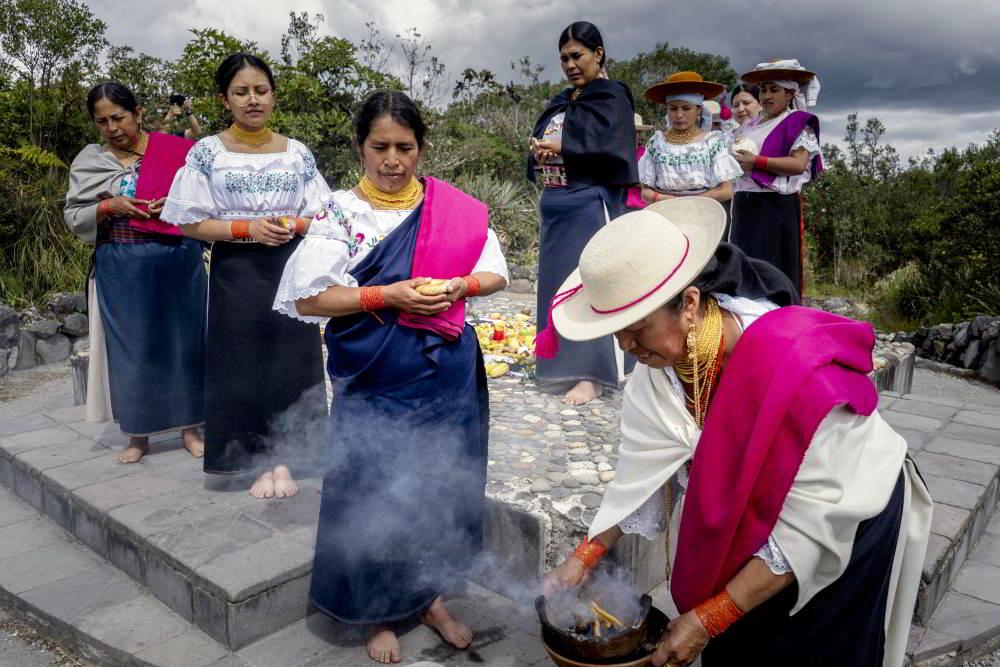
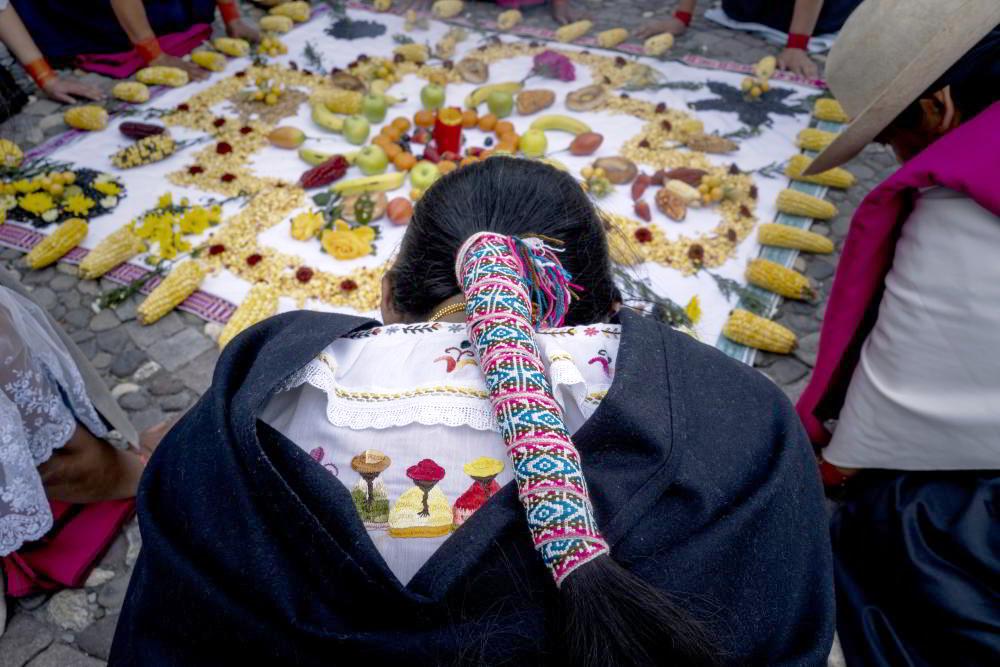
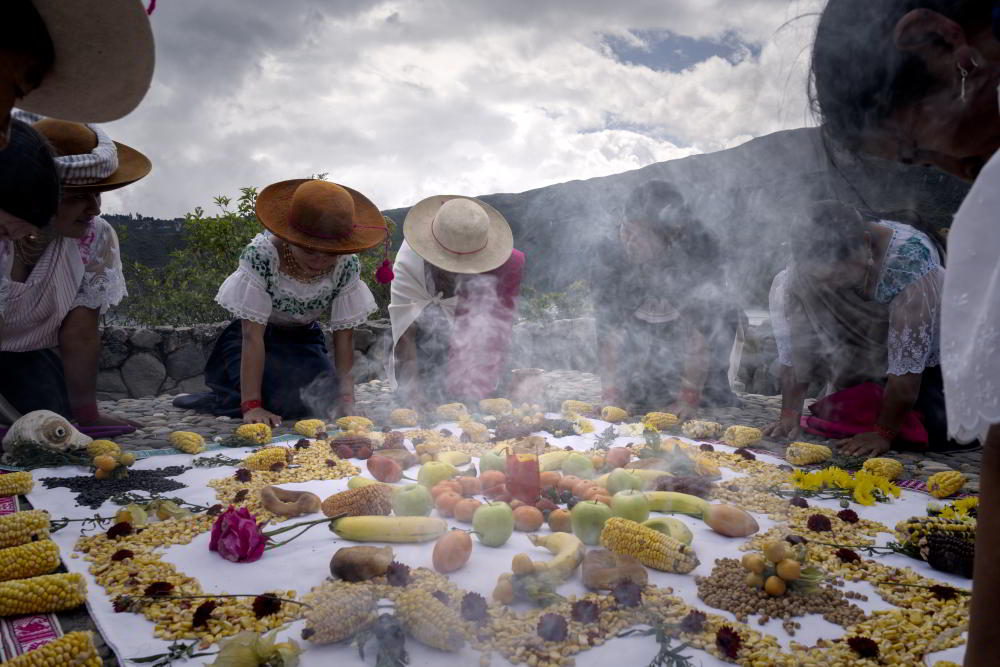
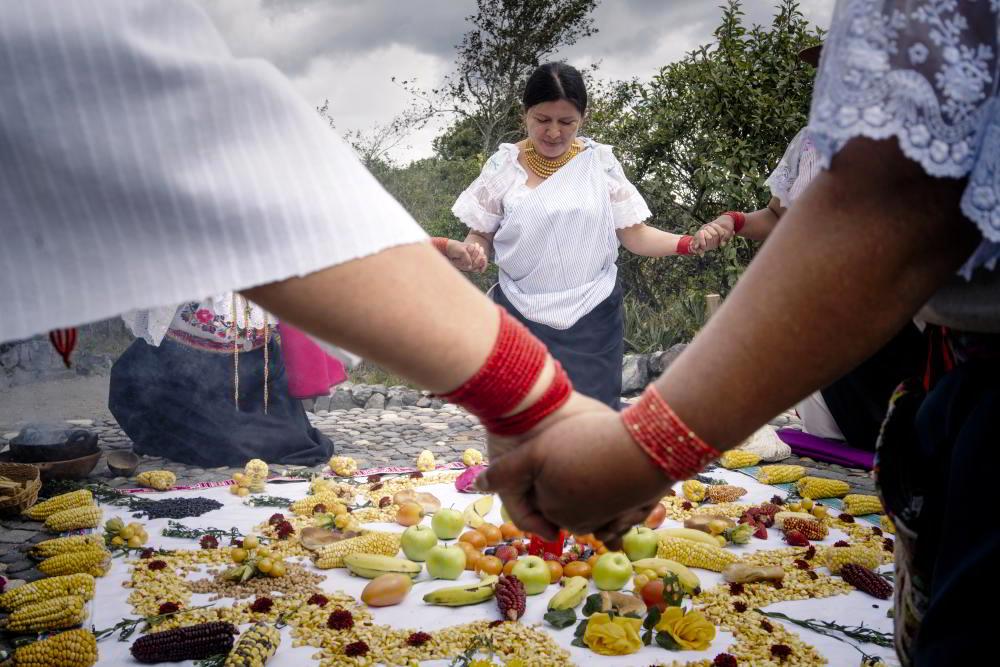
Ecuador. Women farmers take part in a harvest ceremony. Photo:  FAO/Johanna Alarcón
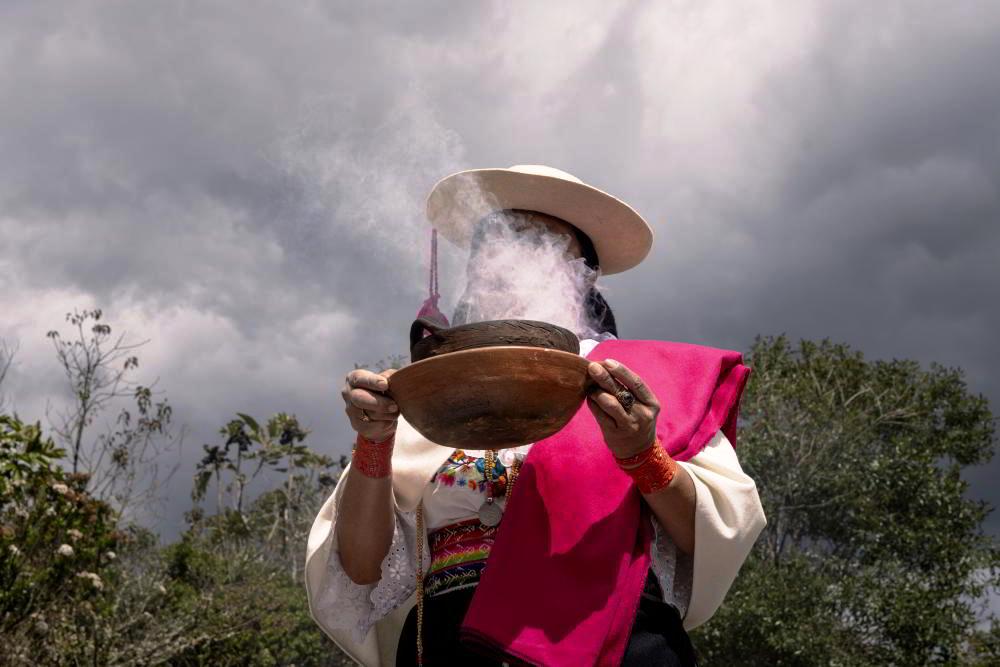
Ecuador. During a gratitude ceremony, a woman holds a clay vessel containing fire and palo santo.  Photo : FAO/Johanna Alarcón
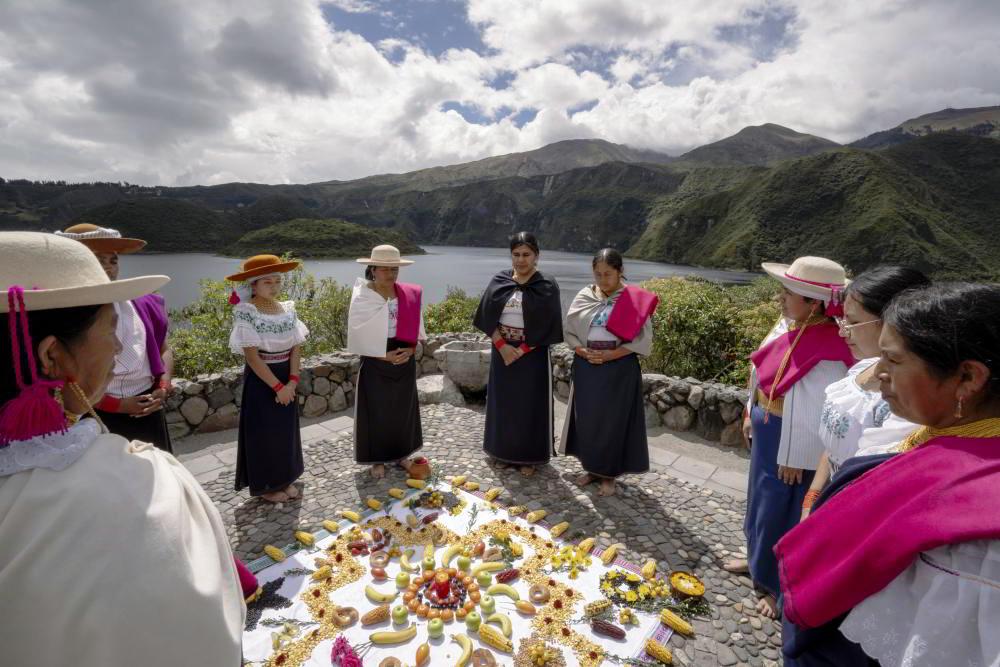
Ecuador.  A woman prays to the Pachamama for the good harvest. FAO/Johanna Alarcón
Ecuador: Kichwa women perform an Andean ceremony to thank the Earth - Pachamama - for their food.  Photo: FAO/Johanna Alarcón
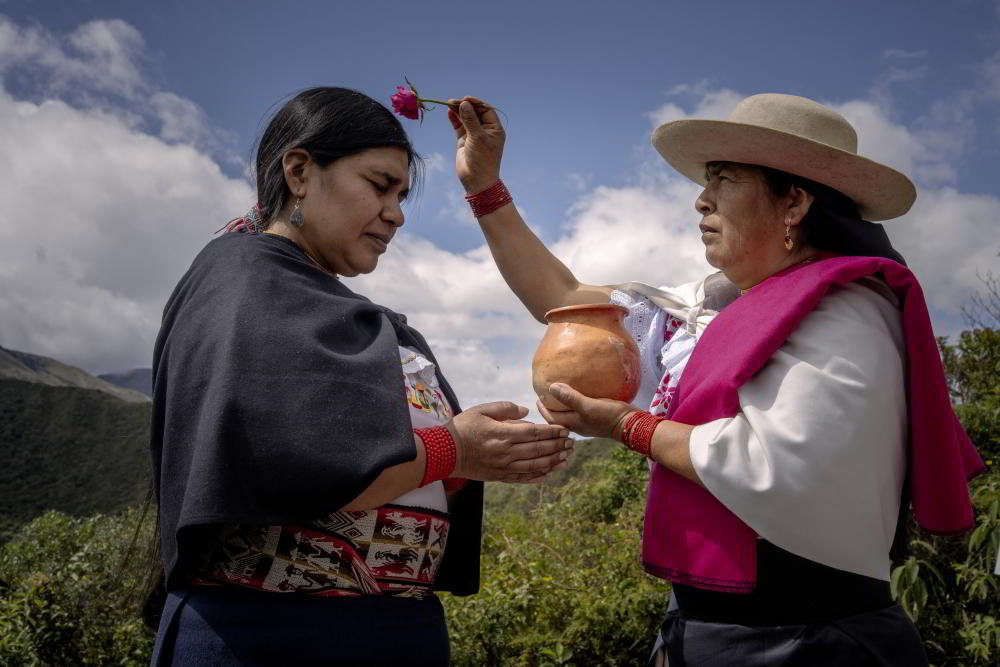
Ecuador. A woman pours water, a symbol of life, into another woman's hands. Photo : FAO/Johanna Alarcón
Ecuador.  The leader blesses the members of the Ancestral Women's Committee. Photo: FAO/Johanna Alarcón
Ecuador. Women farmers praying to Pachamama.  Photo: FAO/Johanna Alarcón
Ecuador. Pachamama sustains all life. Photo: FAO/Johanna Alarcón
Continue reading...
Photo Gallery
Postcards from Mali

January 3, 2026January 3, 2026
[Show slideshow]
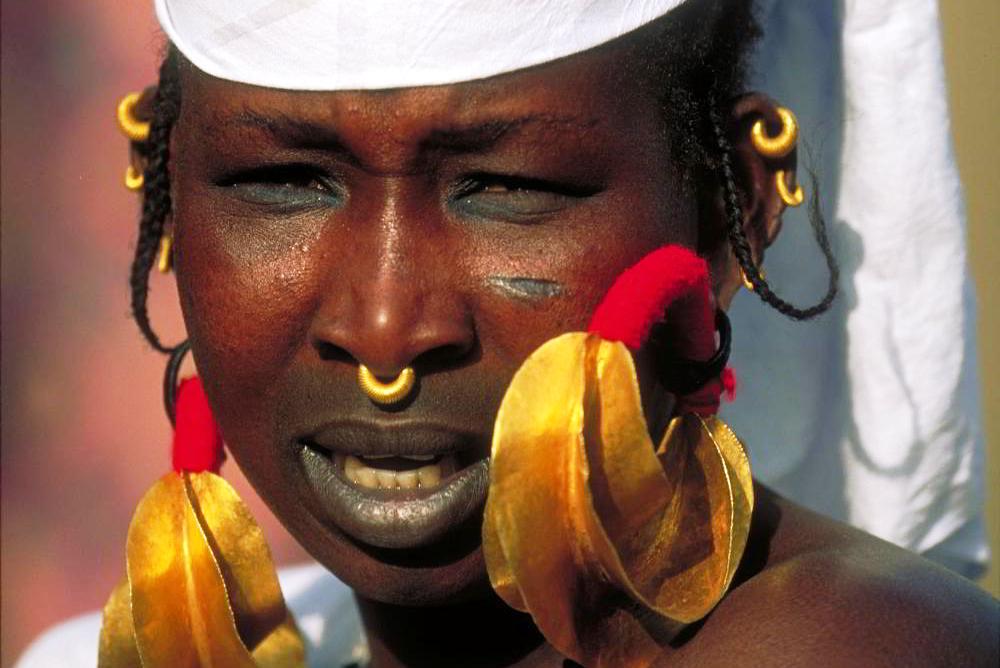
A Fulani woman wearing beautiful earrings. This ethnic group makes up almost 13% of the population of Mali.
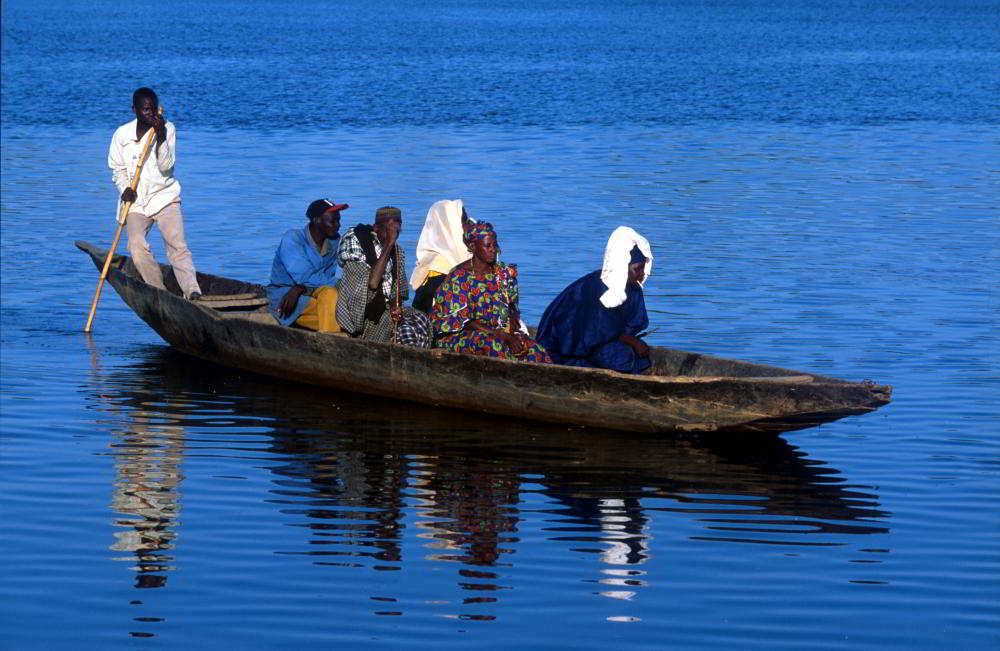
The Niger River is vital for Mali, providing water for drinking, agriculture and trade.
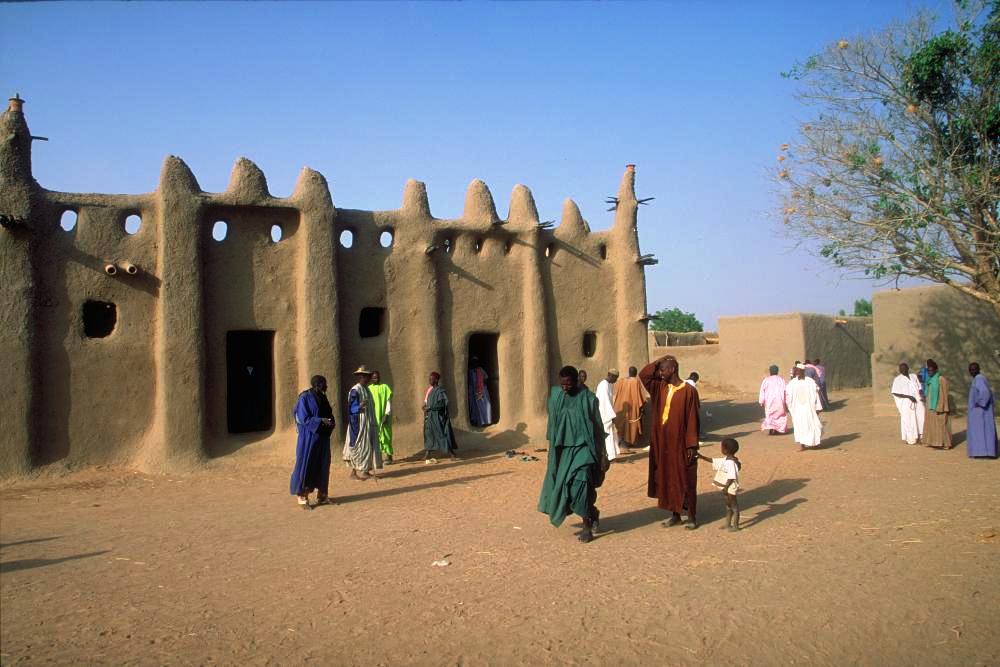
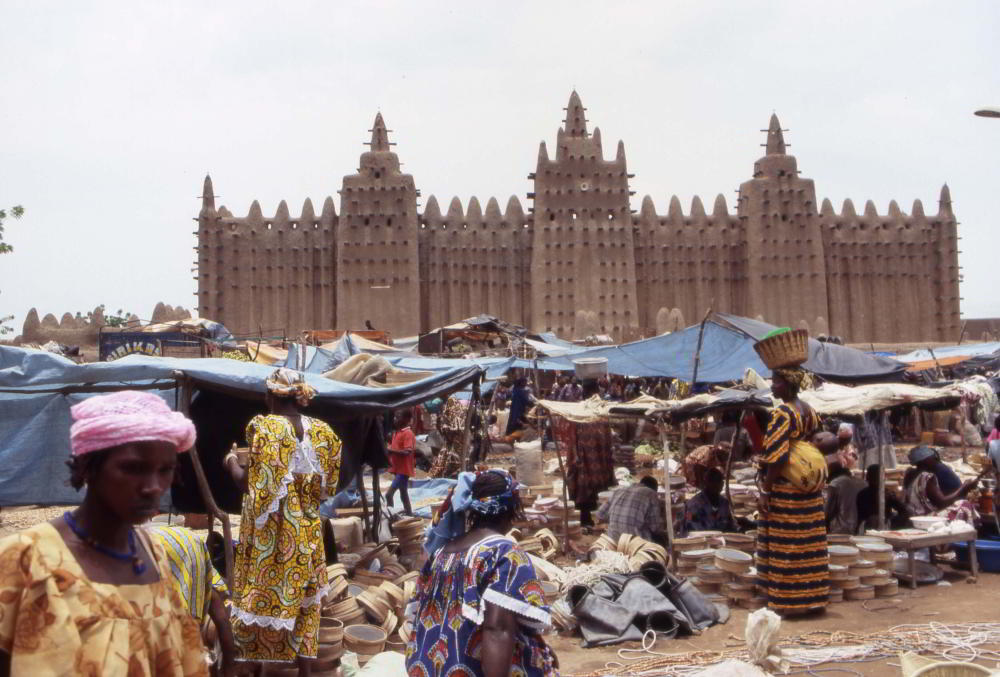
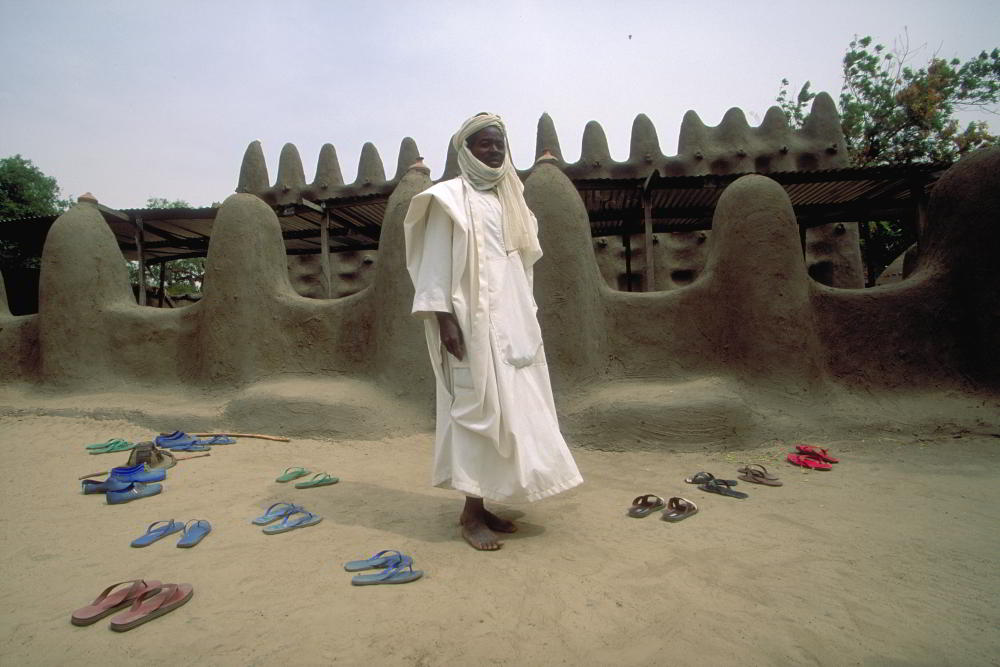
The Great Mosque of Djenné is the largest adobe brick building in the world.
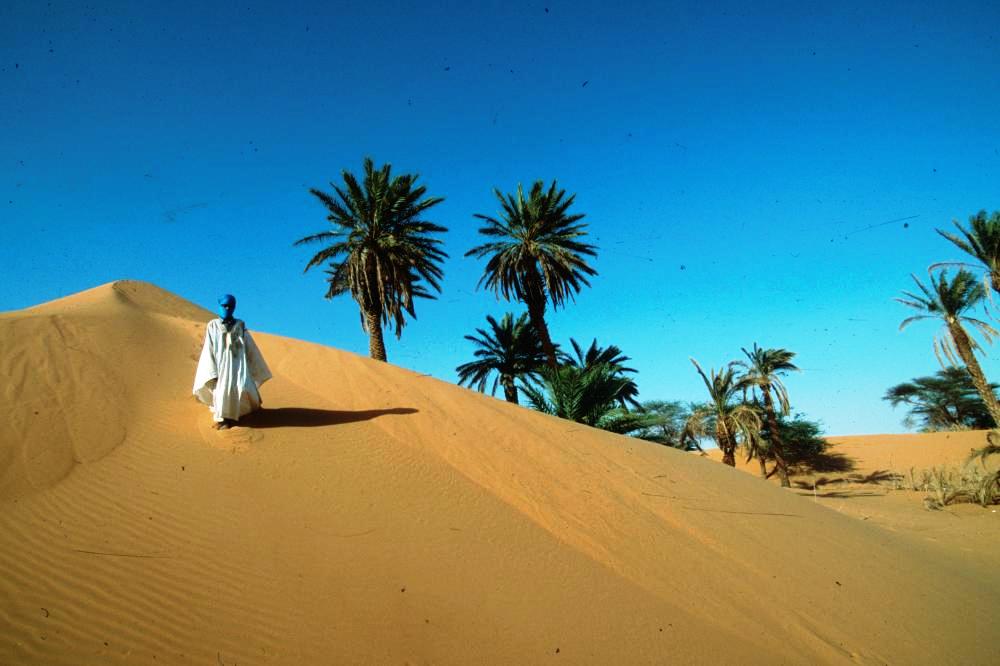
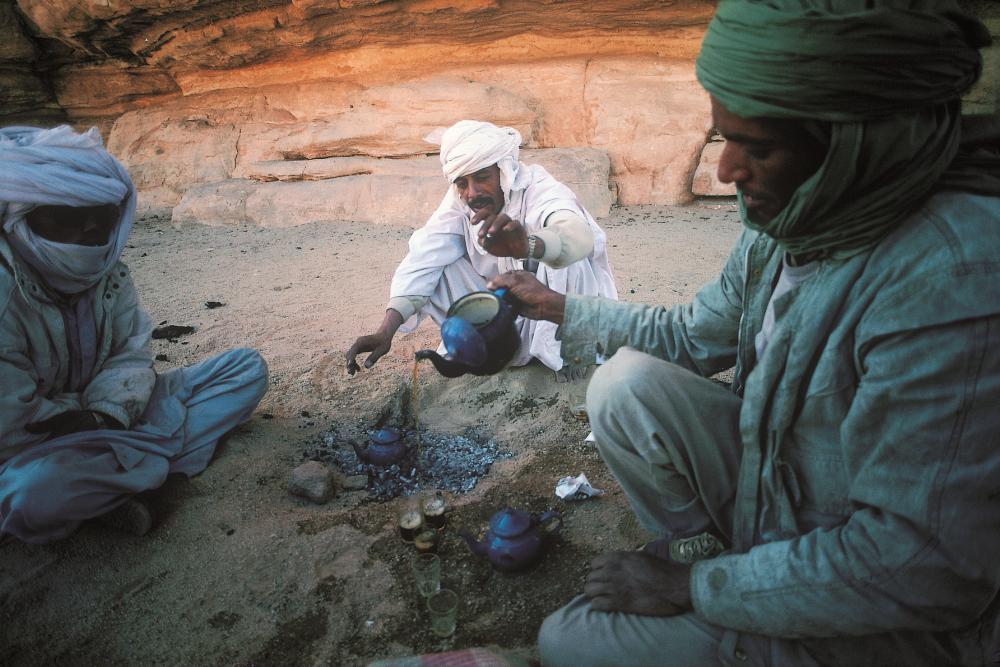
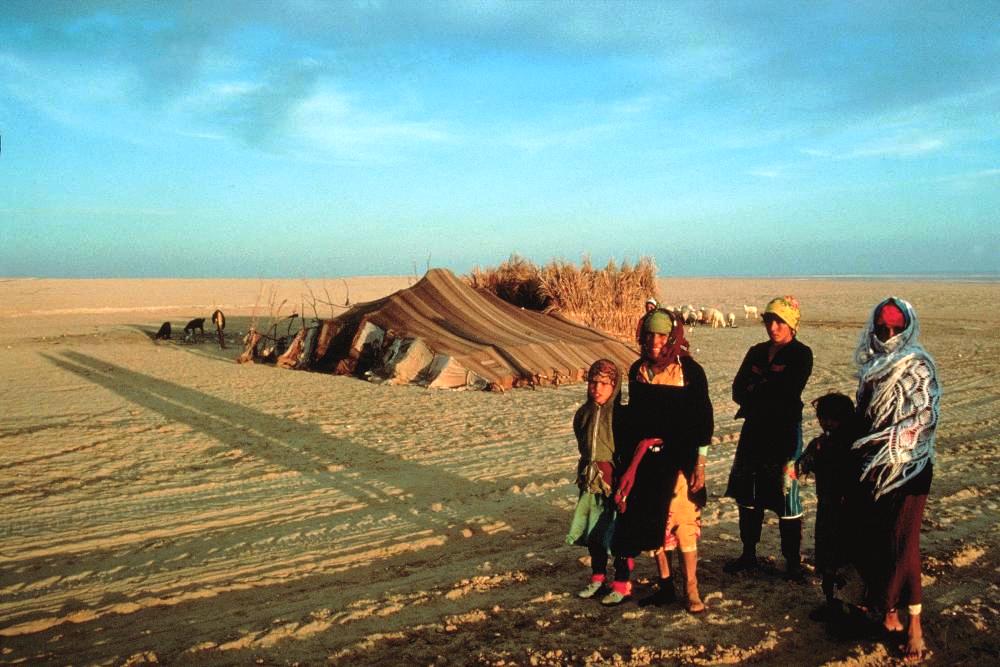
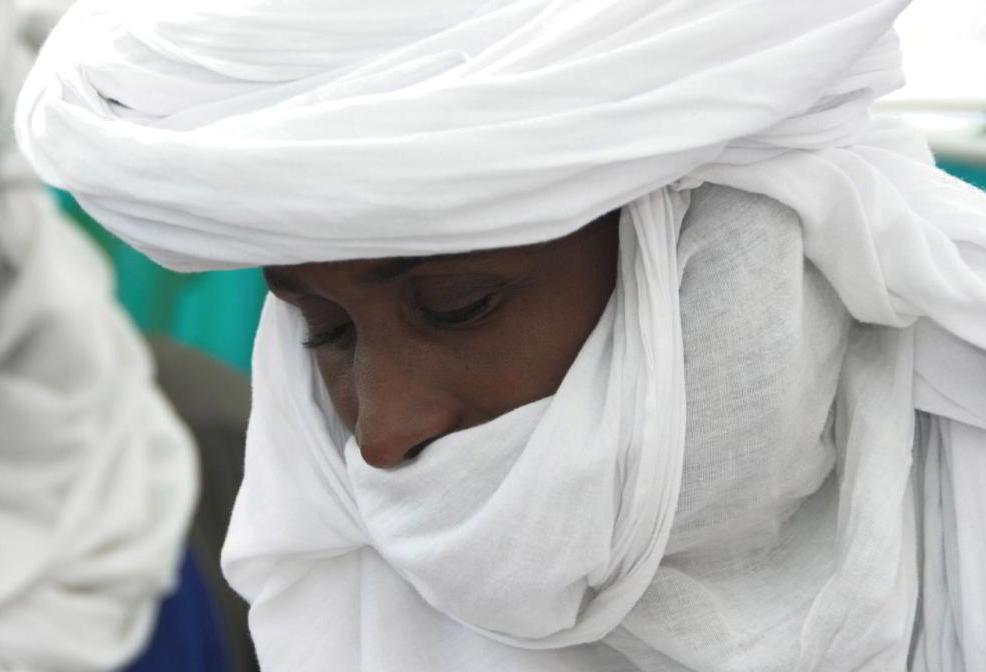
The Tuareg are an ethnic group in Mali who traditionally inhabit the northern desert regions.
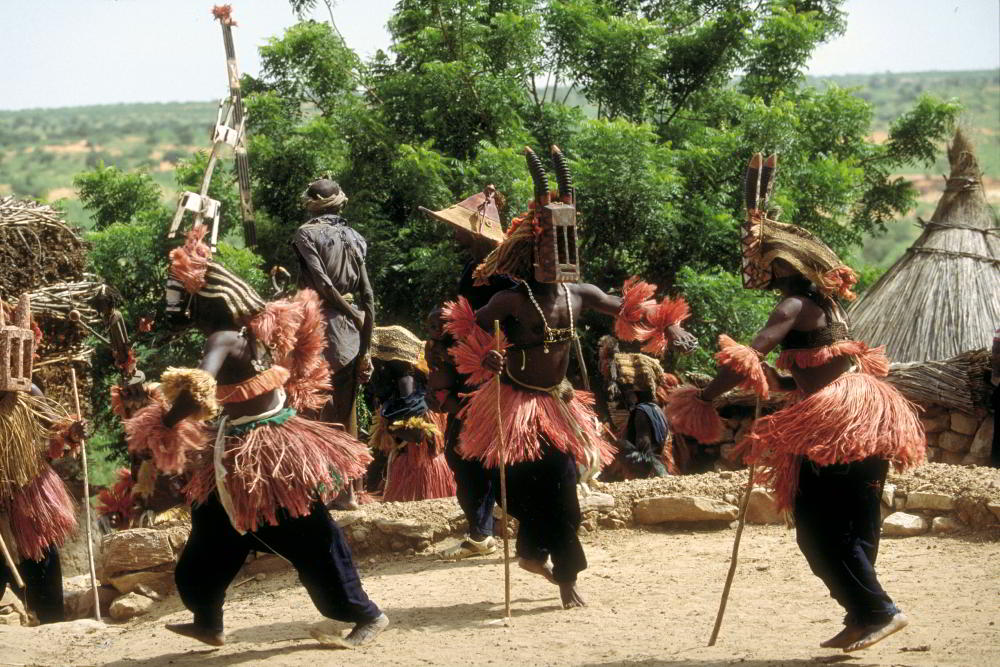
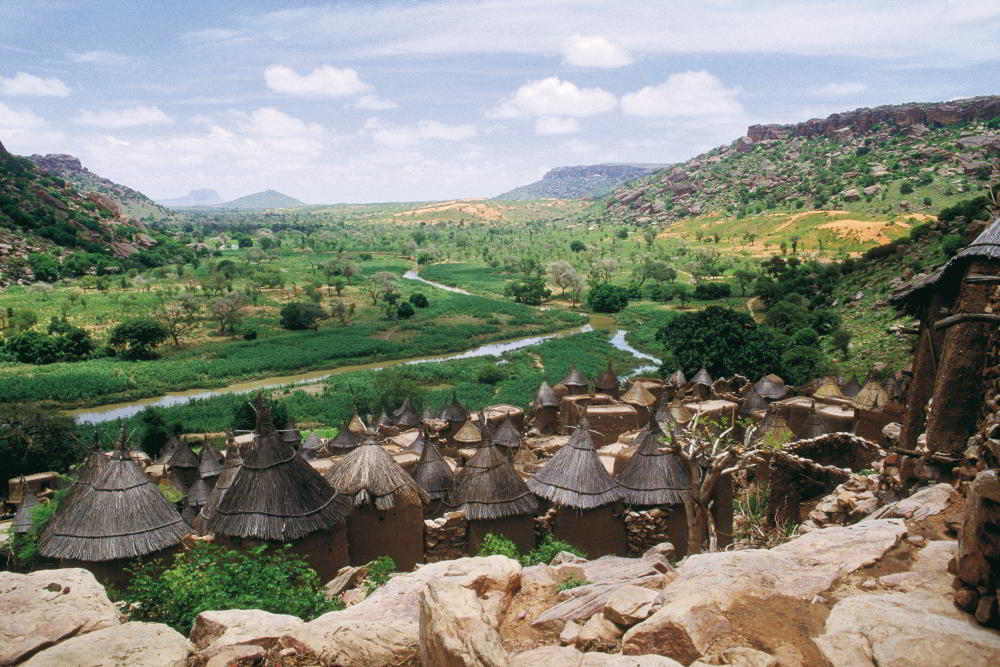
The Dogon are an ethnic group who live in the central plateau region of Mali.
The Dogon villages are built along escarpments and near sources of water. On average, each village contains around 44 houses organised around the ginna, or headman's house.
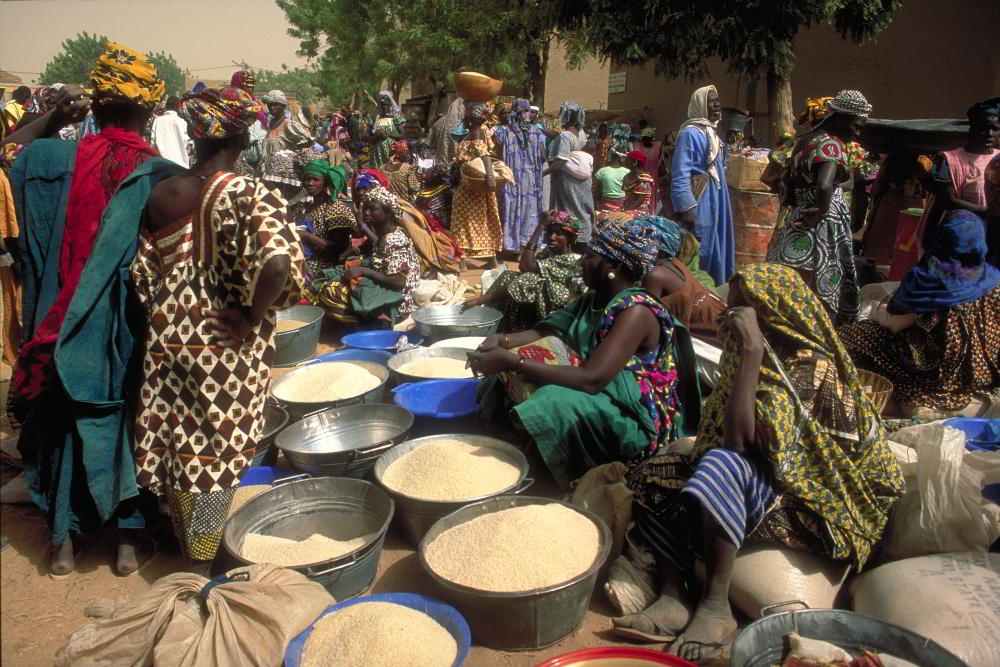
The market is a place for social interaction.
Muslims make up approximately 95 per cent of the population of Mali. They practice a form of Sunni Islam.
Continue reading...
Photo Gallery
  • 1
  • 2
  • 3
  • →
Southworld
Comboni Missonaries UK and Ireland
Comboni Missionaries
Comboni Missionaries © - 2020 - All Rights Reserved